
Key takeaways
- Ask for proof of liability insurance, and check that the name on it matches the business you're hiring.
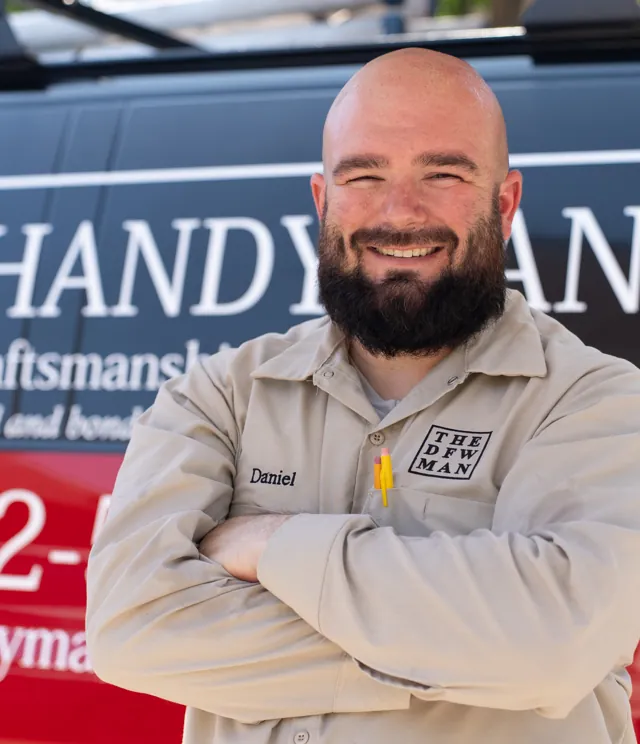
- Know exactly who will be in your home and whether the same person returns.
- Get the scope in writing, including what happens if something unexpected turns up.
- Pressure, cash-only terms and vague answers are the clearest warning signs.
In this guide
Insurance, and who is responsible if something breaks
Ask whether the business carries general liability insurance, and ask to see a certificate. Check that the business name on the certificate matches the one you're hiring. If a ladder goes through a window or a shelf takes down a mirror, insurance is what makes the repair someone else's problem, not yours.
You may also hear "bonded." A bond is a separate guarantee, backed by a surety company, that the business will meet its obligations. Ask what the bond covers rather than treating the word as a seal of quality. The plain question to ask: "If something in my home is damaged during the work, what happens next?" Also ask whether everyone working in your home is covered, including helpers or subcontractors.
Who will actually show up
Many people hire the person they spoke with on the phone and meet someone else at the door. That isn't always a problem, but you should know in advance. Ask:
- Will you do the work yourself, or send an employee or a subcontractor?
- If it's someone else, what is their experience with this kind of job?
- Will the same person come back for follow-up or the next list?
- Do I need to be home the whole time, or can you work while I'm out?
- How will you let me know if you're running late or something changes?
Scope, price and changes
A written estimate doesn't need to be long, but it should be specific. It should list each task, what materials are included and who supplies them, whether patching, paint and cleanup are part of it, how the price is set (time and materials or a set price), and what payment is expected and when.
Then ask the question that prevents most disputes: "If you open this up and find more damage, what do you do?" The right answer is that they stop, show you, explain the options and wait for your decision before going further.
Finally, ask how they handle electrical and plumbing work, and whether those parts are done by a licensed electrician or plumber. Texas licenses both trades, including replacing fixtures, faucets and toilets, so a trustworthy handyman has a clear answer. Gas work always goes to a licensed professional. If someone says yes to everything, treat it as a warning. Our guide on what a handyman should refer out covers where that line usually sits.
Have questions of your own? Tell Daniel about it
How they treat your home
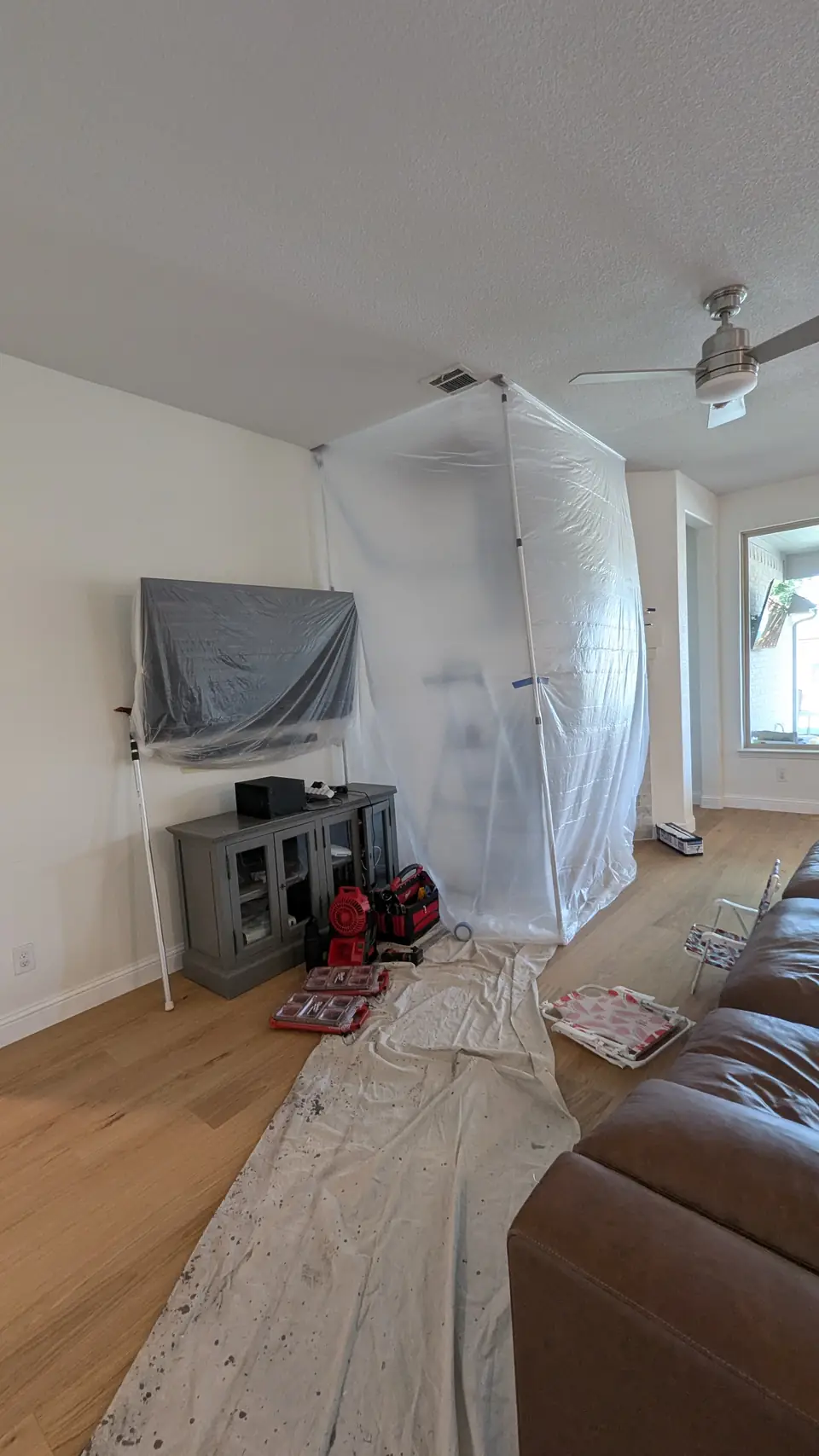
Skill shows in the finished repair. Care shows in everything around it. Ask how they protect floors, furniture and the rest of the house during the job. Good answers are specific: floor runners on the path in, drop cloths under the work, plastic containment around drywall sanding, masking before paint, and a vacuum and wipe-down at the end.
It also helps to ask about the small courtesies: where they'll park, whether they use shoe covers or runners, where they'll set up to cut, and how they'll handle dust if you're living in the house. Someone who has thought about these before you ask usually brings the same care to the work itself.
For detailed finish work, ask to see photos of similar jobs, ideally close-ups. A wide shot of a finished room says little. A close shot of a mitered trim corner, a patched wall in raking light or a rehung door's even gap says a lot.
Red flags worth walking away from
Any one of these is a reason to slow down and ask more questions before anyone starts work in your home:
- Pressure to decide on the spot, or a price that is only good today.
- Cash only, or a large payment requested before any work or materials.
- No written scope, or an estimate that just says "repairs."
- Vague answers about insurance, or no proof when asked.
- A business name you can't find anywhere; a registered Texas LLC or corporation appears in the state's public business records.
- No questions about your house, your priorities or what's behind the wall.
What good answers sound like
Good answers are specific and unhurried. The person tells you who will come, what the price covers, how your floors will be protected and what they won't touch, without you having to drag it out of them. If you have to ask twice, that tells you something too.
The DFW Handyman is fully insured and bonded, and the work is backed by a one-year warranty on workmanship. Ask us any of these questions when you request service; you'll get straight answers.