Key takeaways
- Your equipment manuals set the schedule for filters, alarms and similar tasks.
- A walk-around each season catches heat, storm and freeze damage while it is still small.
- Storms, freezes, guests, listings and renovations are all reasons for an extra look.
- A home's ventilation, insulation, exhaust fans and sealants work as one system, and maintenance should treat them that way.
In this guide
Why a larger home needs a rhythm
A larger home has more of everything: more doors and windows, more caulk lines, more fixtures, often more than one HVAC system and more attic space. Each one wears a little at a time, and wear rarely announces itself. A cracked caulk joint or a loose gutter bracket is easy to miss until there is a water stain on a ceiling.
Trying to catch it all in one big annual push usually means things wait too long. A rhythm works better: a few tasks that follow the manufacturer, a seasonal walk-around, an extra look after events, and a running list that gets handled before it grows.
There is no single right number of visits for every house. The age of the home, how many systems it has, how much of it is wood on the outside, whether anyone lives there full time, and how much you like to do yourself all change the answer. A newer home with one family in it may need less than an older home with original wood windows and a guest house. The point is to decide on a rhythm on purpose, rather than waiting for something to break.
Tasks that follow the manufacturer
For many items, the schedule is already written. It is in the manual or printed on the product. Gather those intervals in one place, and adjust for how your household lives: pets, allergies and dust from renovation all mean filters load up faster.
- HVAC filters, changed as the filter and system manufacturer recommend
- Smoke and carbon monoxide alarms, tested and their batteries replaced per the manufacturer
- GFCI outlets, tested with their test button as the label directs
- Garage door opener safety reverse, checked as the opener manual describes
- Refrigerator water and ice filters, replaced on the appliance maker's schedule
- Water heater care, per its manual, with a licensed plumber for anything beyond the basics
Tasks that follow the seasons
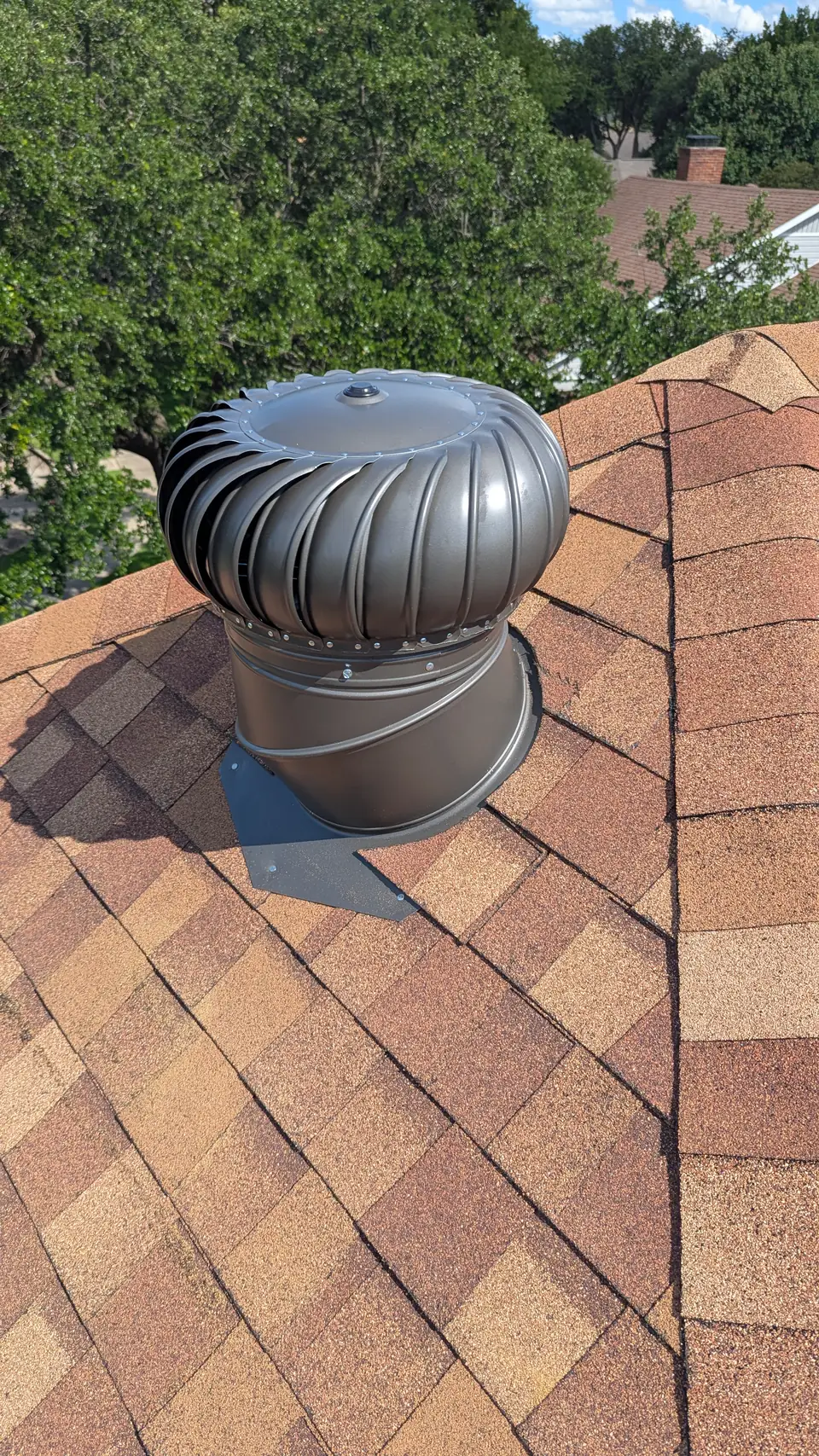
North Texas puts a home through spring hail and storms, long summer heat, fall leaves and winter freezes. Each season is a natural moment to walk the house: check gutters and caulk after the spring storms, attic ventilation and exhaust fans before the heat, weatherstripping and gutters in the fall, and hose bibs and exposed pipes before the first hard freeze. Our seasonal checklist for North Texas covers each one.
Want a steady rhythm for your home? Tell Daniel about it
Tasks that follow events
- After a hail or wind storm: gutters, screens, siding, fences and anything visible on the roof from the ground
- After a hard freeze: signs of leaks, water stains and drafts
- When doors start sticking or new cracks appear: possible soil or foundation movement worth watching
- Before guests or the holidays: the small items that have been waiting
- Before listing a home or after an inspection report: the repair list
- After a renovation: touch-ups, trim, caulk and the odd jobs the remodeler did not finish
Systems, not single fixes
Daniel Myers has written that a home's basic systems, its attic ventilation, insulation, exhaust fans, and its paints, stains and sealants, work together as a system. Maintenance that treats them separately misses how one failure causes another.
A bathroom fan that vents into the attic instead of outside puts moisture where it does not belong. Soffit vents covered by insulation make an attic hotter in summer. Paint that has worn thin lets water into trim, and failed caulk at a window lets water into the wall. Each visit should look at the whole chain, not just the item on the list.
A practical rhythm for a larger home
Sort the running list by priority, not by room alone. Anything involving safety comes first: a loose railing, a grab bar that moves, a smoke alarm that chirps. Anything involving water comes next, because water damage grows quietly: a dripping supply line, failed caulk at a tub, a gutter spilling against the house. Everything else, from a sticking door to scuffed trim, can wait for the next visit. A photo next to each item helps whoever comes to fix it arrive with the right parts.
This is what a maintenance plan is for. The DFW Handyman Home Maintenance Plan is being finalized; you can read about it on the home maintenance plan page. For now, a list of small items can be handled in one visit through everyday projects.
- Keep one running list, room by room, and add to it whenever something catches your eye
- Group small items into a single visit rather than calling for each one
- Walk the house inside and out each season
- Set aside a deeper look, including the attic and the full exterior, at a quiet time of year
- Keep a record of what was done, with paint colors, filter sizes and model numbers