Key takeaways
- Walk the house after spring storms and look at gutters, screens, siding and the roof from the ground.
- Before summer, make sure attic vents are clear and exhaust fans vent outside.
- In the fall, clean gutters, reseal exterior gaps and check weatherstripping.
- Before a hard freeze, disconnect hoses, cover outdoor faucets and know where your water shutoff is.
In this guide
Spring: storms and hail
Spring storms in North Texas can bring hail, high wind and heavy rain in one afternoon. After each one, walk around the house. Heavy rain is also the easiest time to see how water moves: watch where gutters overflow, where downspouts dump water against the foundation, and where puddles form near walls or doorways.
- Look at the roof from the ground, with binoculars if you have them, for missing or lifted shingles and dented vents. Leave climbing to a roofer.
- Check gutters and downspouts for dents, loose brackets, separated joints and overflow marks.
- Inspect siding, trim and window screens for hail dents, splits and tears.
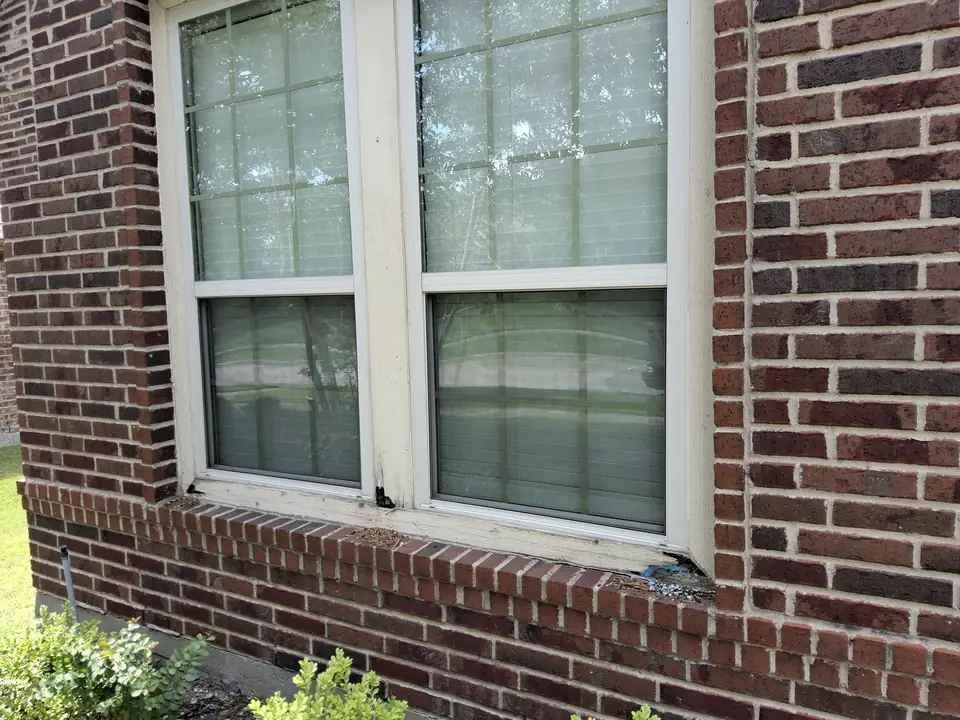
- Look at window and door caulk, especially on the sides of the house that take the weather.
- Check fences and gates for leaning posts and loose boards after high wind.
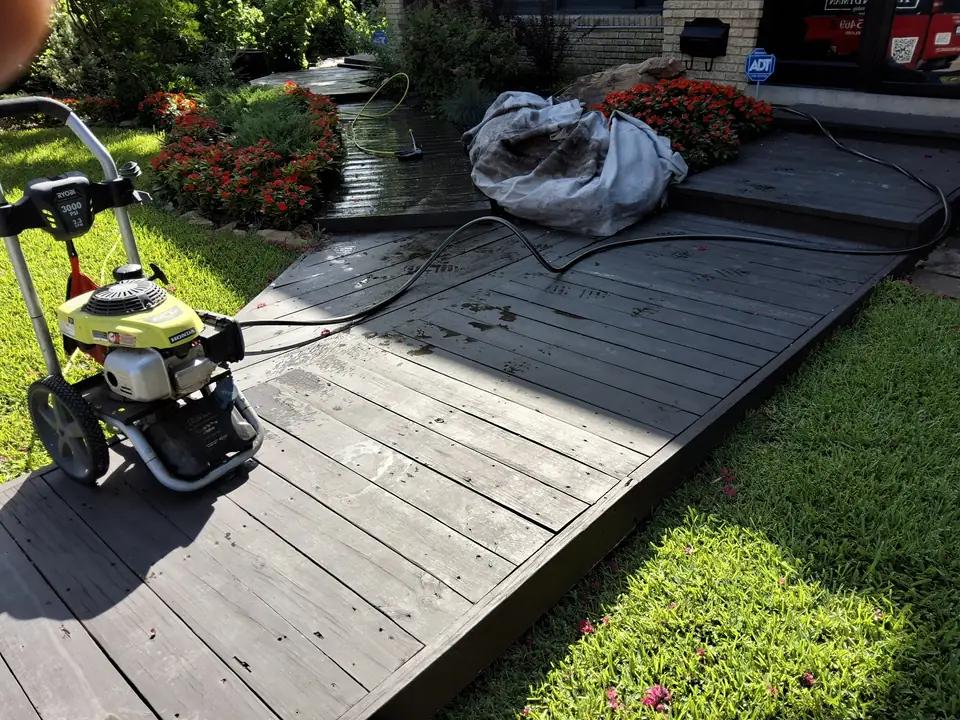
- Turn sprinkler heads so they water the lawn, not the siding, doors and fence.
- If you plan an insurance claim, photograph the damage before anything is repaired.
Summer: heat
Long stretches of heat are hard on attics, paint and anything made of wood. This is the season to look up and look at the sunny sides of the house.
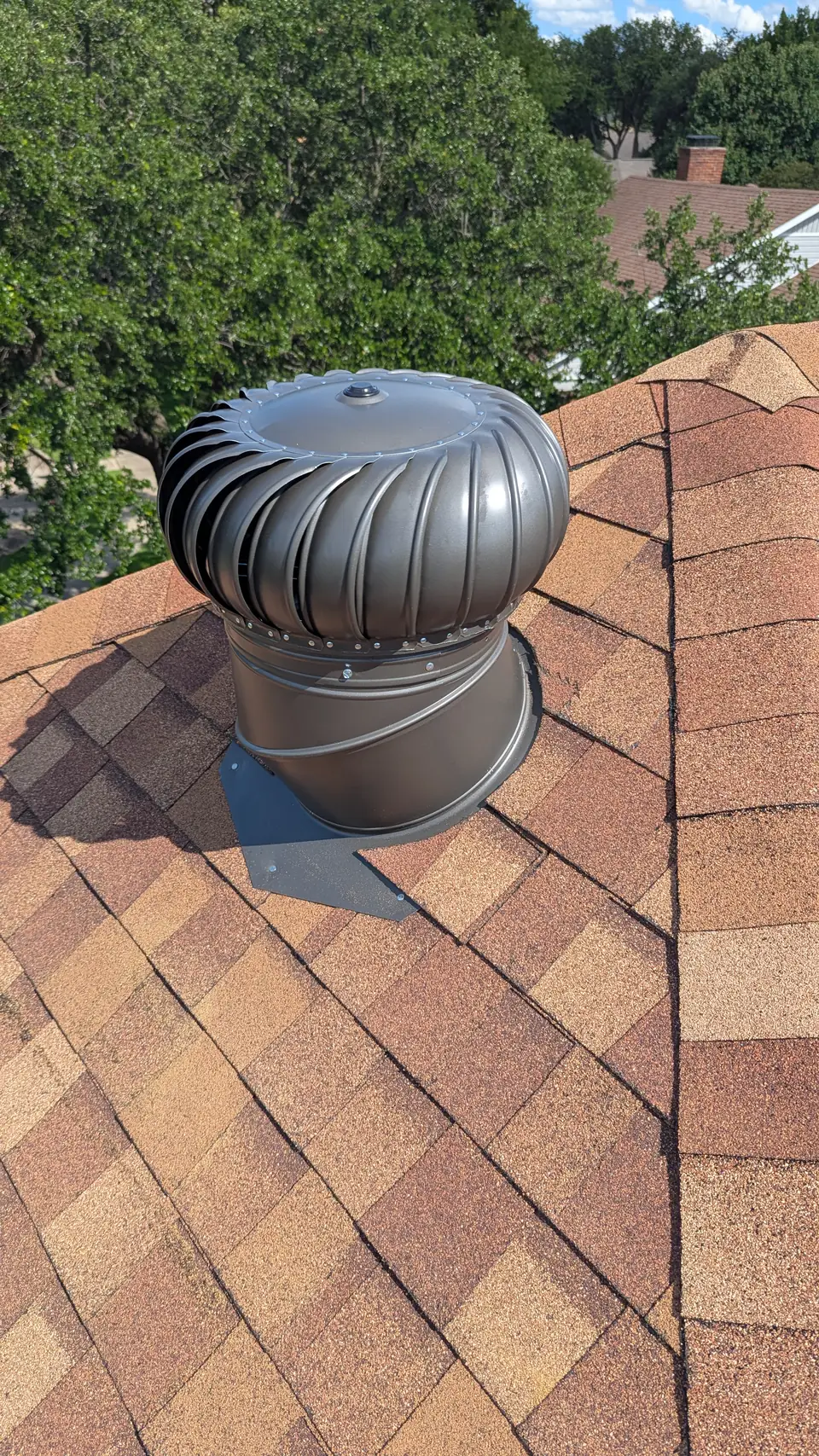
- Check that soffit vents are not blocked by insulation, and that roof turbines spin and ridge vents are clear.
- Confirm bathroom and kitchen exhaust fans vent to the outside, not into the attic, and that their grilles are clean.
- Look at paint and stain on the south and west faces, where sun breaks them down first.
- Notice doors that start sticking or gaps that open at trim and drywall; dry clay soil can move the house.
- Check weatherstripping on exterior doors for gaps that let cooled air out.
- Make sure the air conditioner's condensate line is draining, and call your HVAC company if it is not.
Fall: getting ready for cold
Fall is the comfortable season for exterior work, and the right time to close the gaps summer opened.
- Clean gutters once the leaves are down, and make sure downspouts carry water away from the foundation.
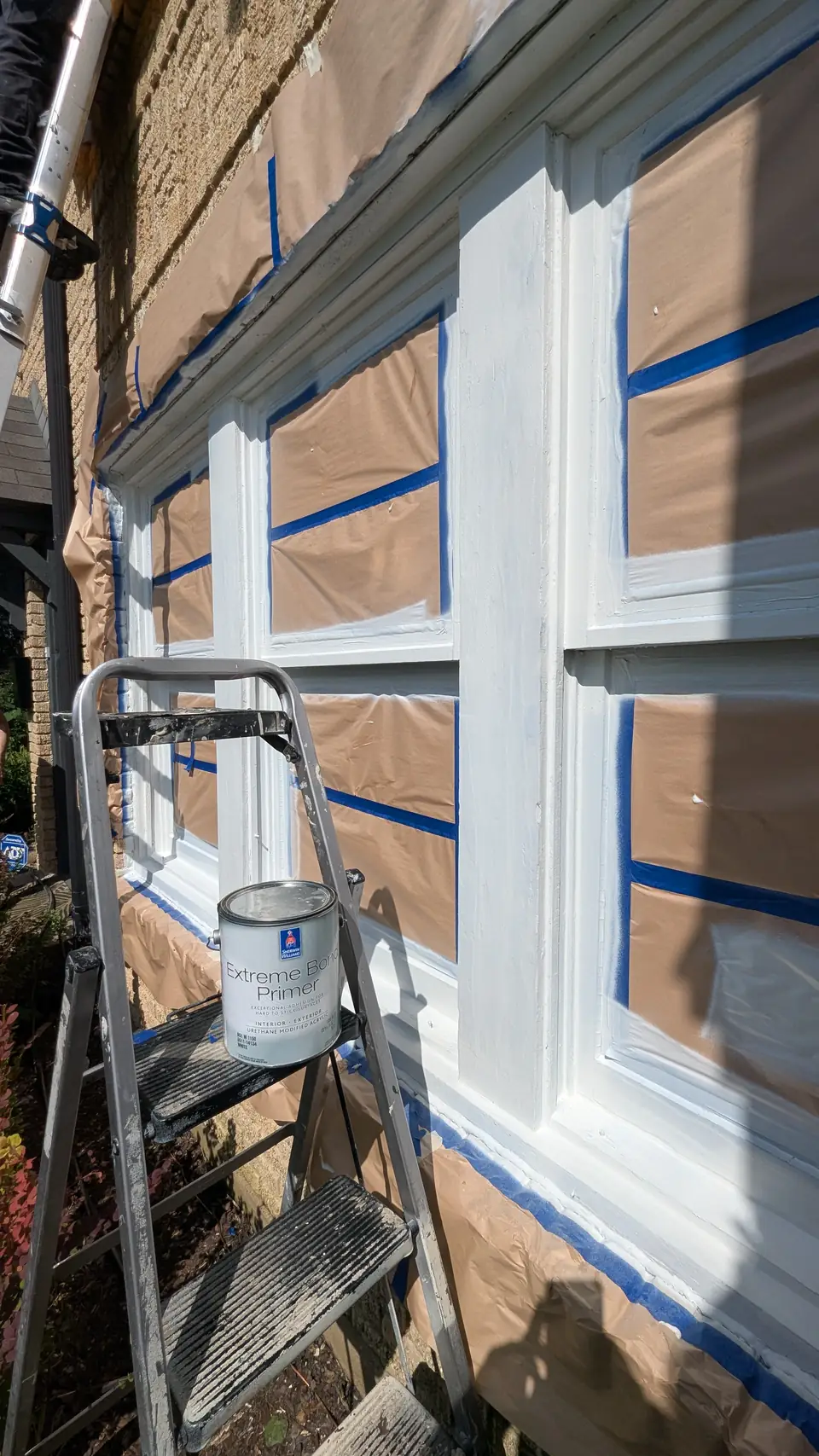
- Remove failed caulk and reseal gaps around windows, doors and trim while the weather is mild and dry.
- Replace worn weatherstripping and door sweeps.
- Have your HVAC company service the heating system.
- Check that the attic access panel or ladder closes tightly and is insulated.
- Test smoke and carbon monoxide alarms as the manufacturer recommends.
Rather have someone walk the house? Tell Daniel about it
Winter: freezes
North Texas freezes are not frequent, which is exactly why they catch houses unprepared. Most of the work is done before the cold arrives.
- Disconnect garden hoses and put insulated covers on outdoor faucets before a hard freeze.
- Find the main water shutoff, make sure it turns, and show everyone in the house where it is.
- Insulate pipes that run through the attic, garage or exterior walls.
- Protect the irrigation system's backflow preventer as your irrigation installer advises.
- After a freeze, look for water stains, wet spots and unusual sounds of running water.
- Notice drafts at doors and windows; they point to weatherstripping or caulk to fix.
Your home works as a system
Daniel Myers has long said that a home's basic systems, its attic ventilation, insulation, exhaust fans, and its paints, stains and sealants, work together as a system. A seasonal check is how you keep the system working.
Blocked soffit vents make an attic hotter, which is hard on the roof and the cooling system below it. An exhaust fan that dumps moist air into the attic can lead to mold and damp insulation. Peeling paint lets water into trim, and failed caulk lets it into the wall. Looking at the whole house each season catches the first link in each of those chains.
What to handle yourself, and when to call
Many of these checks need nothing more than a walk and a notepad, and some fixes, like changing a filter or covering a faucet, are easy to do yourself. Ladder work, resealing a whole elevation, rotted trim and gutter repairs are where a handyman helps. Roof damage belongs with a roofer and HVAC problems with an HVAC company, and electrical and plumbing work, from a burst pipe to a replaced fixture, goes to a licensed electrician or plumber.
The DFW Handyman can walk the house with you each season, fix what is found and keep a record of it. See the home maintenance plan, or send your list through the service request.