Key takeaways
- Older homes reward repair over replacement and careful matching of what's already there.
- Start with a small, mixed list to see how someone works before trusting them with more.
- Seasonal ground movement explains many sticking doors and cracks; widening cracks need a closer look.
- A regular walk-through catches small problems before they become expensive ones.
In this guide
What older houses need that newer ones don't
Older homes are built differently. Walls may be plaster rather than drywall. Doors are often solid wood and heavy. Trim profiles may no longer be sold, and openings are rarely perfectly square after decades of settling. Hardware, tile and flooring may be discontinued. Repairs take more judgment, because the goal is to keep the house's character while fixing what's wrong.
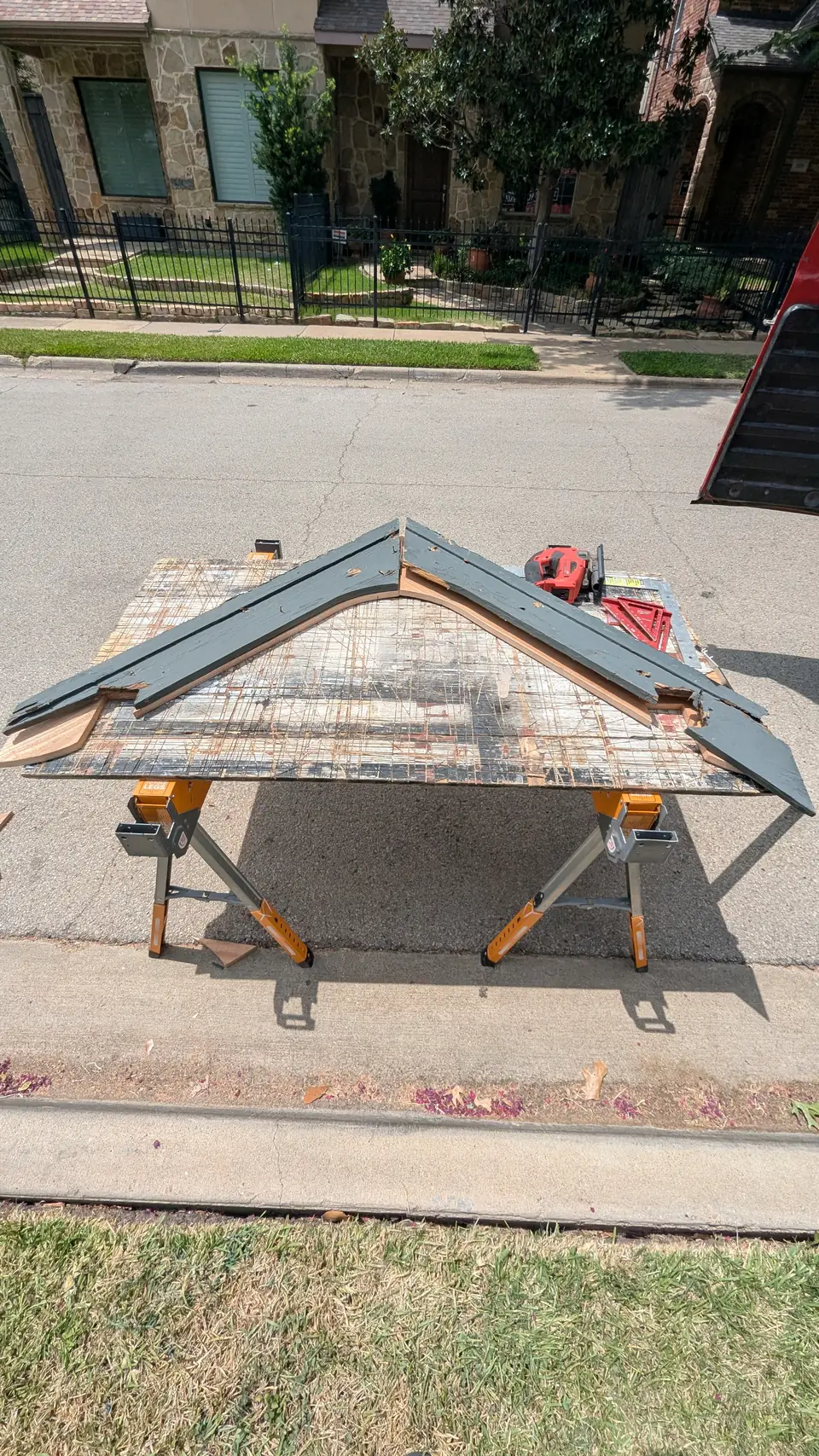
That changes who you should hire. The right person repairs a sash or a door rather than replacing it by reflex, can patch plaster so it doesn't show, and shapes new trim to match the old instead of putting a stock profile next to an original one.
Older homes also hide surprises: a second layer of flooring, an unexpected pipe in a wall, wiring from different decades. A careful person opens things slowly and stops to explain what they find before going further.
Qualities to look for
- Repair-first judgment. Ask how they'd approach a sticking door or a rotted sill. Listen for options, not a single replacement answer.
- Carpentry skill. Much older-home work is woodwork: doors, trim, stairs, sills and built-ins. Ask for close-up photos of similar jobs.
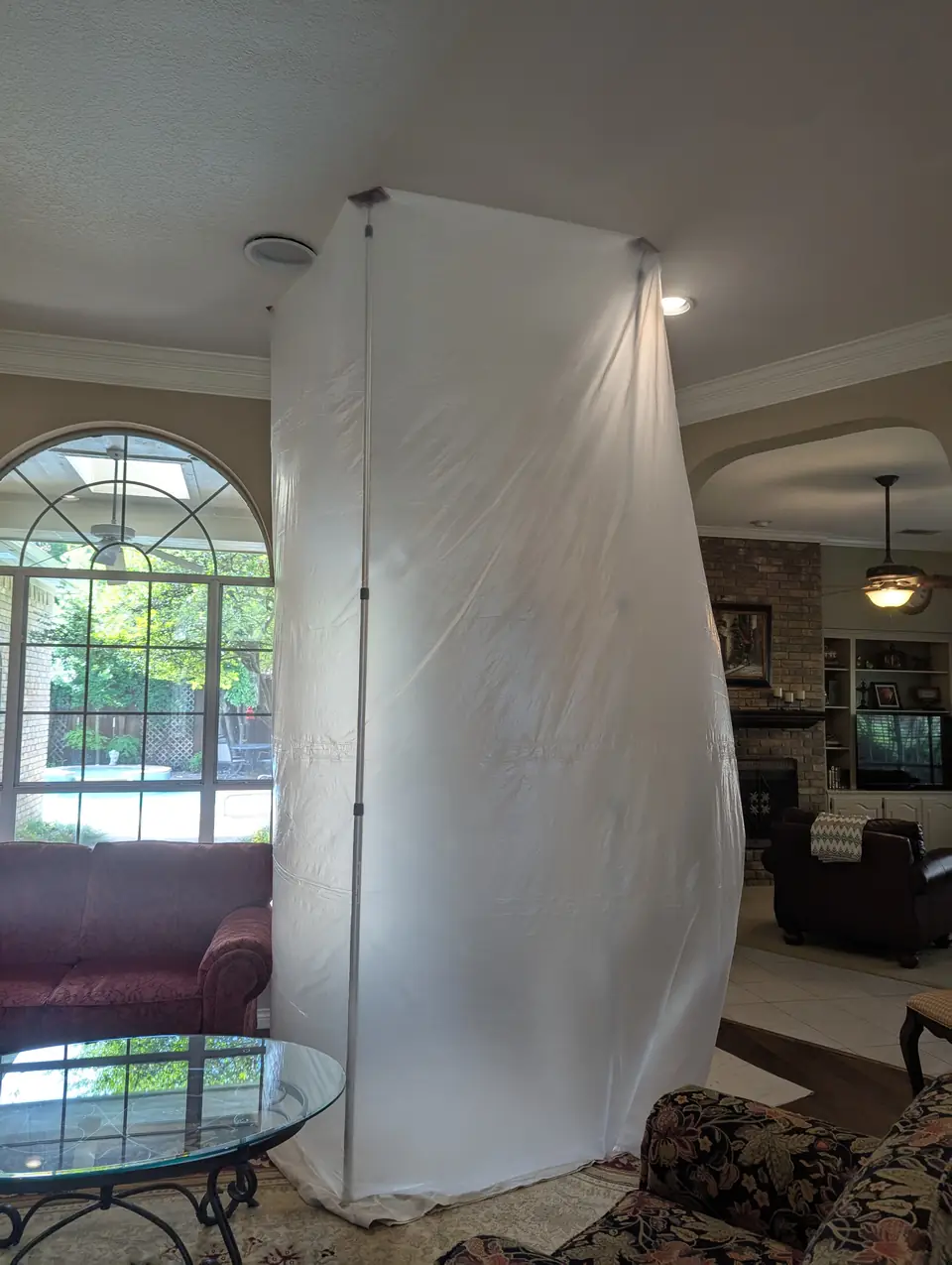
- Clean work habits. Floor runners, drop cloths, dust containment around drywall and plaster, and a vacuum at the end.
- Straight talk. Someone who tells you what can wait, what can't, and when a job belongs with another trade.
- Consistency. The same person each visit, who learns the house and remembers what was done.
Start with a small, mixed list
Before handing over a larger project, give a new handyman a short list that mixes a few kinds of work: a door adjustment, a drywall or plaster patch, something hung level, a caulk joint redone. You'll learn more from that visit than from any conversation.
Watch for the things that matter over years: did they arrive when they said, protect the floors, explain what they found, leave the space clean, and finish the details? Did the patch disappear once painted, and does the door now close with an even gap? A person who does small jobs carefully is the person to trust with larger ones. Notice, too, how they communicate between visits: whether they confirm the time, reply to questions and follow up when a part arrives.
Looking for someone to keep? Tell Daniel about it
Seasonal movement, and when a crack is more than cosmetic
North Texas clay soil swells when it's wet and shrinks when it dries, so many houses move a little through the year. That is why a door may stick in one season and swing freely in another, and why hairline cracks appear above doorways. Much of this is normal and cosmetic, and a handyman can adjust doors, re-tape cracks and re-caulk gaps.
Some signs call for a foundation or structural professional instead: cracks that keep widening, diagonal cracks running from the corners of doors and windows, doors in several rooms that suddenly won't close, gaps opening between walls and ceilings, or floors that slope noticeably more than before. A good handyman will name these and suggest the right specialist, rather than patching over them. For questions about watering or drainage around the foundation, ask a foundation professional what suits your house.
Set up a regular walk-through
A house's paint, caulk, stains and sealants work together as a system, and in an older home small gaps become water problems quietly. A regular walk-through, done at a set interval or with the change of seasons, catches them early. Items worth checking each time:
- Caulk at tubs, showers, sinks and exterior windows.
- Exterior trim, sills and door jambs for soft or rotted wood.
- Weatherstripping and thresholds on exterior doors.
- Handrails, railings and grab bars for any looseness.
- Gates, latches and fence hardware.
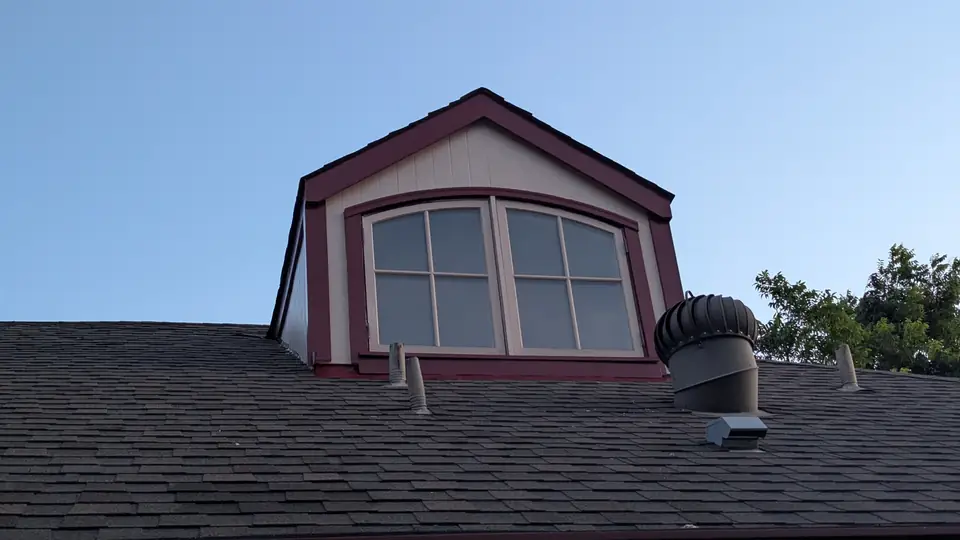
- Bathroom exhaust fans and attic vents doing their job.
- Gutters and downspouts clear and attached, so water drains away from the foundation.
Finding the right person to keep
Ask neighbors who keep similar homes in good shape who they use, and ask the person you find the questions in our guide to hiring a handyman. Then judge them by that first small list. Once you've found someone good, keep a simple record of what was done and when, so each visit builds on the last instead of starting over.
Every home needs some love, and older homes need someone who really cares about them. If you'd rather hand that off, tell The DFW Handyman what needs attention through Request service, or read how a home maintenance plan works.