Key takeaways
- A few boards, a section of trim or a rotted fascia piece is usually handyman work.
- Soft sheathing or framing behind the siding, roofing, masonry and stucco point to a contractor or specialist.
- Matching old siding and faded paint is often the hardest part of a small repair.
- Check with your city, and your HOA if you have one, before larger exterior work.
In this guide
Jobs a handyman or carpenter usually handles
Most small exterior repairs are carpentry and finishing work. They need care and the right materials, but not a crew or a project manager. A general contractor's value is coordinating several trades on a large job, and many will pass on a repair this size.
- Replacing a few cracked, swollen or hail-damaged siding boards
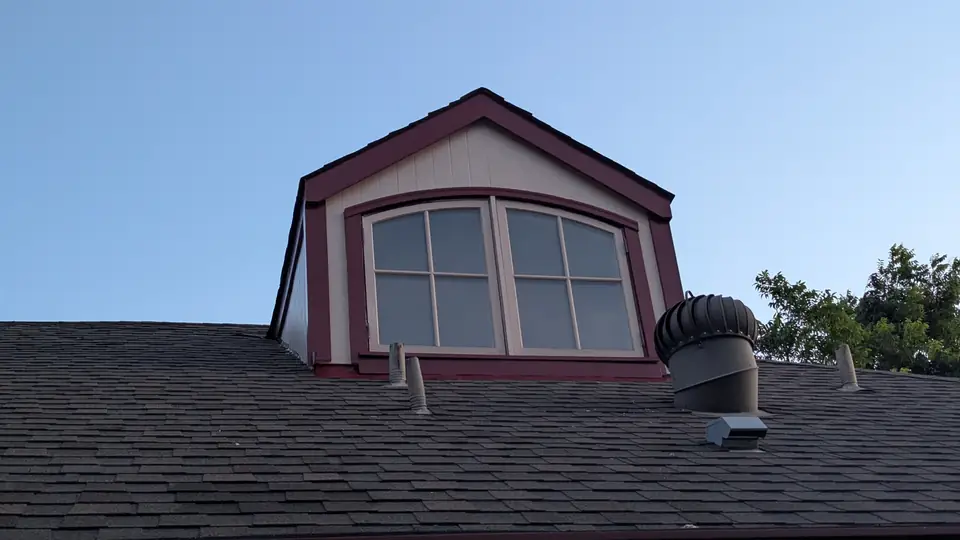
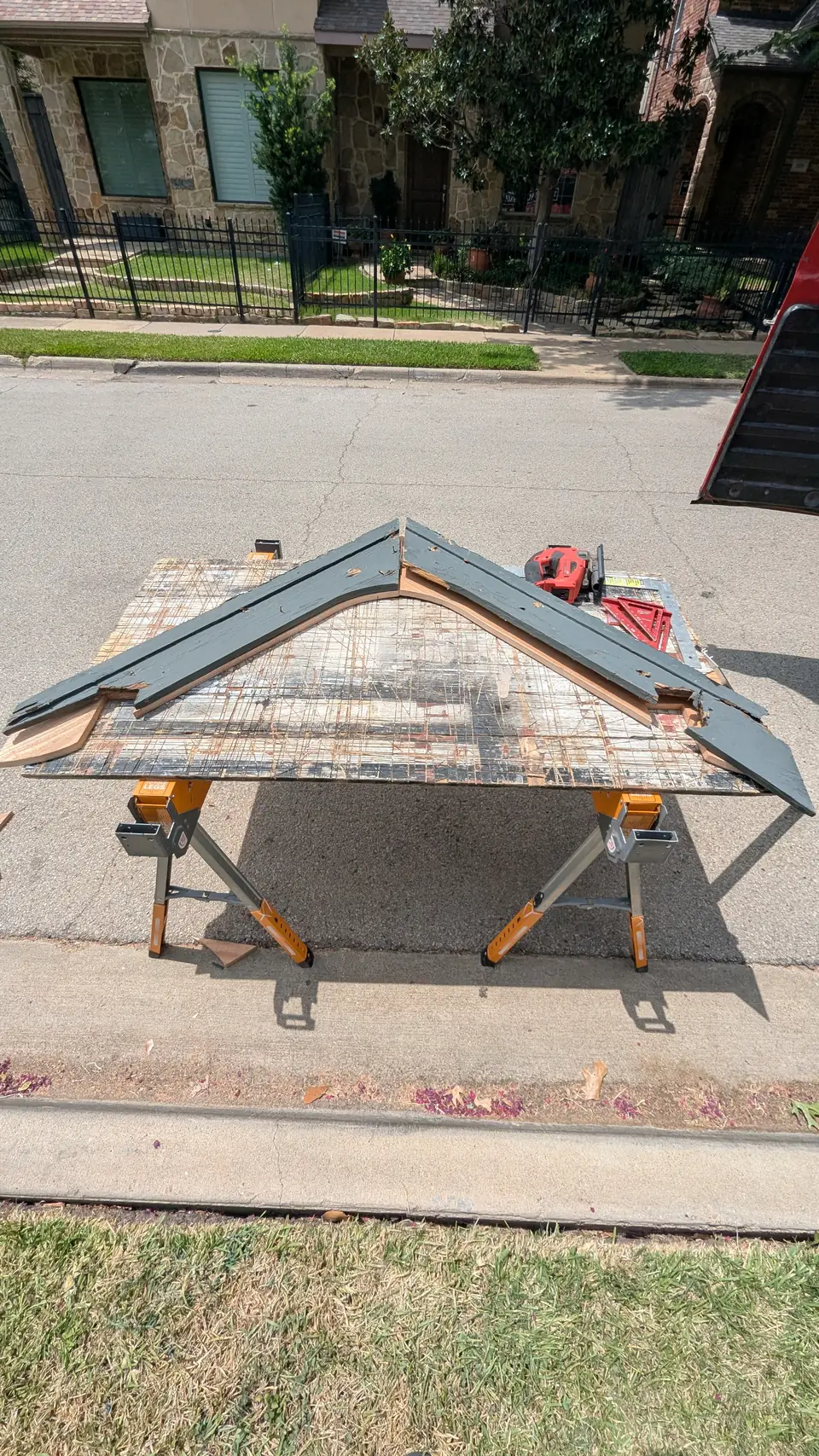
- Cutting out and replacing rotted trim, corner boards or a section of fascia
- Rebuilding a rotted window sill or the bottom of a door jamb
- Re-securing loose shutters, house numbers and trim
- Removing failed caulk and resealing around windows, doors and trim
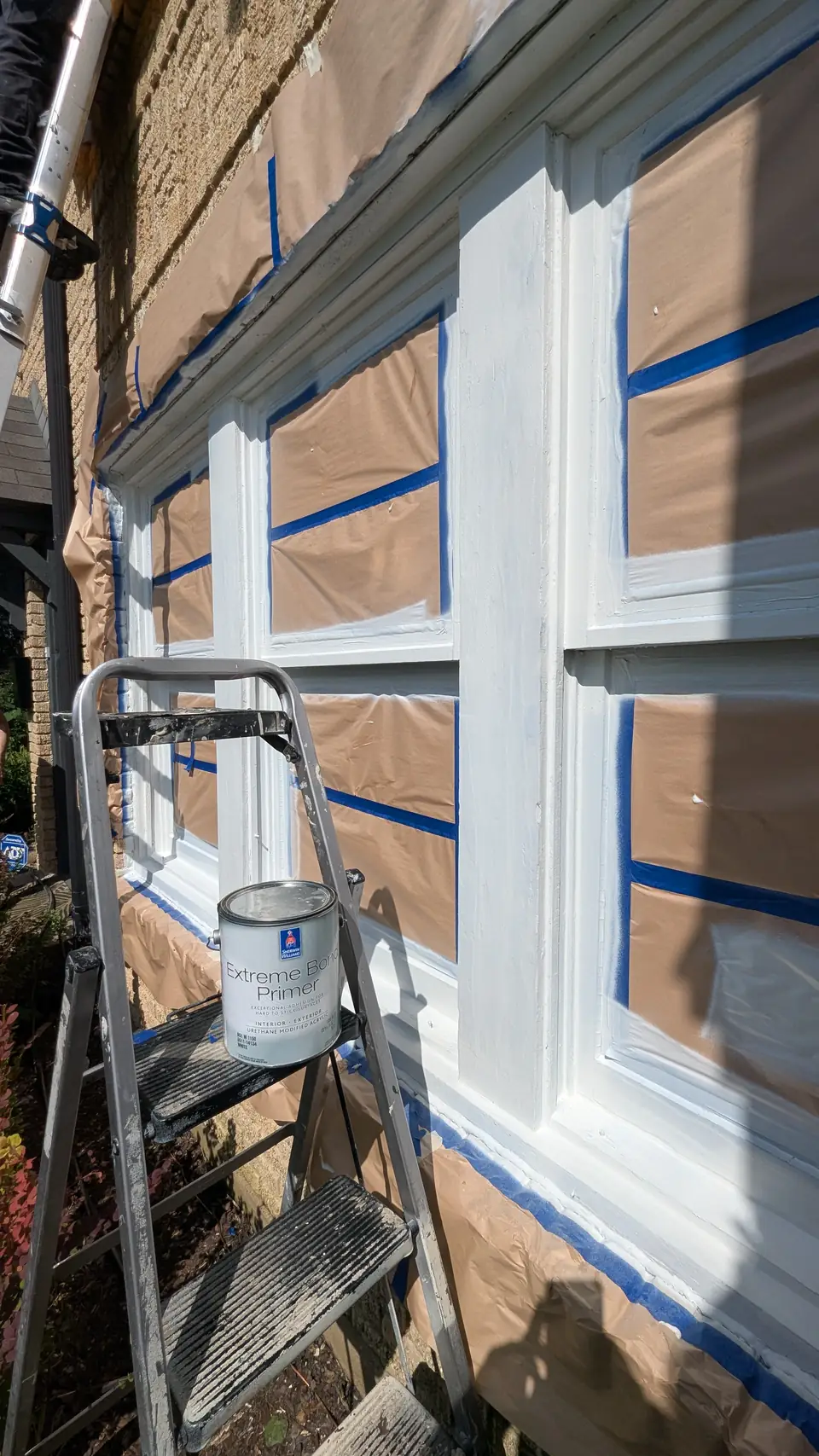
- Scraping, priming and painting the repaired area
When to call a contractor or specialist
The size of the damage on the surface matters less than what is behind it. A skilled handyman will open a small area, look, and tell you plainly if the job has outgrown a repair.
- Large areas or whole walls of siding are damaged
- The sheathing or framing behind the siding is soft, stained or moldy
- Water is getting into the house through the wall
- The problem starts at the roof, flashing at the roof line, or a chimney
- The wall is brick, stone or stucco, which call for a mason or stucco specialist
- Cracks in the walls or around openings may be tied to foundation movement
- The repair is part of a storm insurance claim covering the whole house
The questions that sort it out
How big is the damaged area? A handful of boards is a repair. Damage spread over a whole side of the house is a replacement project.
Is the wall behind it dry and solid? If the sheathing is sound, a section repair holds. If it is soft, the wall needs a closer look before new siding goes over it.
Can the material be matched? If the siding or trim profile is still made, a repair blends in. If it is discontinued, the plan has to include how to deal with that.
Who else is involved? An insurer, an HOA or the city may need to see the work or approve it first. Knowing that early saves redoing work.
Damaged siding or trim outside? Tell Daniel about it
Matching old siding and trim
On older homes, the hard part of a small repair is often making it disappear. Wood lap siding, fiber cement and hardboard each come in many profiles and reveal sizes, and some patterns are no longer made.
There are practical ways around it. Boards can sometimes be borrowed from a less visible wall, such as behind a fence or inside a garage bump-out, and replaced there with a close match. Trim profiles can be recreated by milling or built up from stock moldings.
Paint is the other half. Exterior paint fades, so a touch-up on one board usually shows. Repainting the repaired wall from corner to corner, or to a natural break like a window or a trim line, gives a result you will not notice from the street.
Permits and approvals
Rules vary by city and by the size of the job. Small like-for-like repairs often need no permit, while larger siding replacement or work that changes the structure may. Your city's building inspection department can tell you what applies to your project.
If your home is in a historic or conservation district, exterior changes can need approval before work starts, even when the repair seems minor. HOAs often have their own rules on materials and colors. A quick call before the work begins costs nothing.
Start with a careful look
For most homeowners, the sensible first step is to have someone who does the repair look at the damage, open it up if needed, and give a straight answer about whether it is a repair or a larger job.
You can speed that up. Take one photo from far enough back to show the whole wall, then close-ups of each damaged spot. Note when you first noticed it, if it has grown, and if you have seen any stains, musty smells or soft spots inside on the same wall. Ask for the scope in writing: which boards or trim pieces will be replaced, what material, and how far the paint will be carried. If the repairer opens the wall and finds more, the plan should change only after a conversation with you.
Daniel Myers has spent more than 25 years in residential, commercial and heavy industrial construction, which helps in telling a small repair from a contractor's project. The DFW Handyman handles siding repairs, trim and fascia rot, exterior caulking and paint prep, and will tell you when a different trade is the right call. See siding and exterior repair or request service.