Key takeaways
- Caulk the joints where trim, frames and siding meet, and where pipes, lights and vents pass through the wall.
- Never seal brick weep holes, weep slots in window and door frames, or the bottom edges of lap siding.
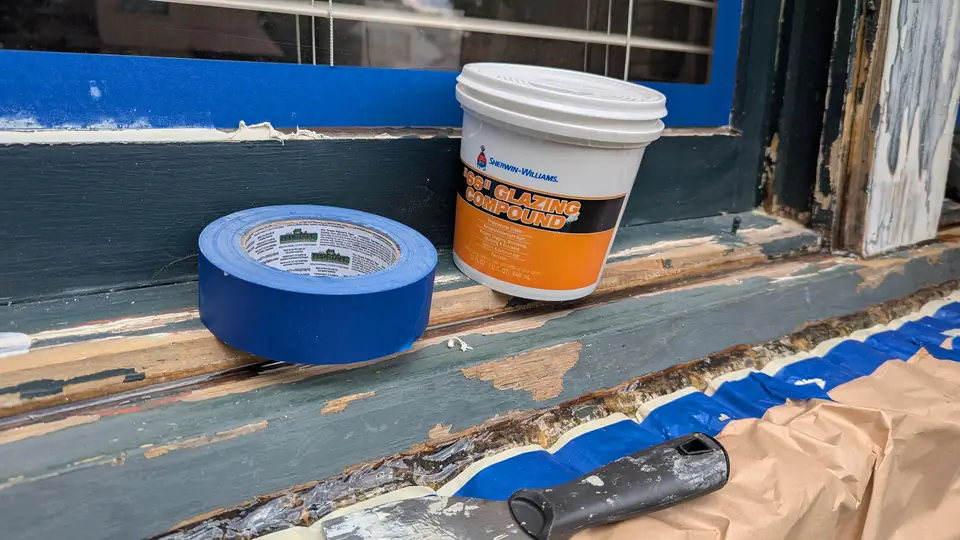
- Old caulk comes out first. New caulk laid over failed caulk doesn’t bond.
- A wide gap or soft wood behind the caulk means something more than a caulk job.
- If water still gets in after a good recaulk, the problem is likely flashing or the window itself.
In this guide
Signs it is time to recaulk outside
For the best time of year, see the seasonal home checklist for North Texas. Caulk needs dry weather and temperatures within the range printed on the product.
- Caulk that is cracked, shrunken, hard or pulling away from one side of the joint.
- Gaps around a window or door where you can see daylight or feel air moving.
- Peeling paint along a trim joint, or dark staining below a window.
- Water stains inside on a sill, on the wall below a window, or on the floor by a patio door.
- Missing caulk where a hose bib, light fixture or vent passes through the wall.
Where exterior caulk belongs
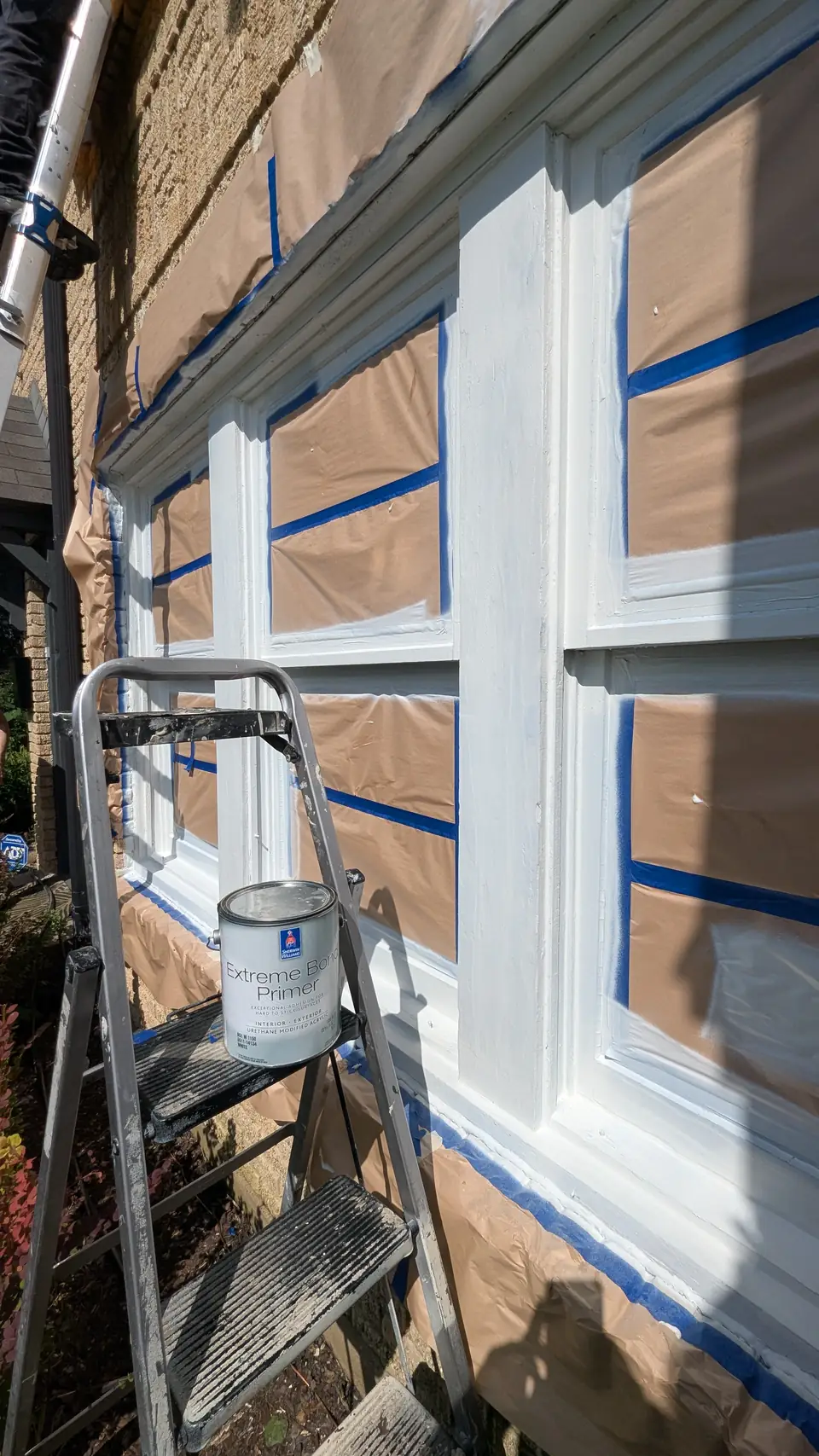
Around windows, the joint between the trim and the wall matters most. On a brick house it is often a wide joint that needs backer rod, a foam rope pressed into the gap, so the caulk forms a proper bead instead of a thick plug that tears as the house moves.
- Window and door trim where it meets brick, stone or siding.
- Patio door frames where the frame and trim meet the wall.
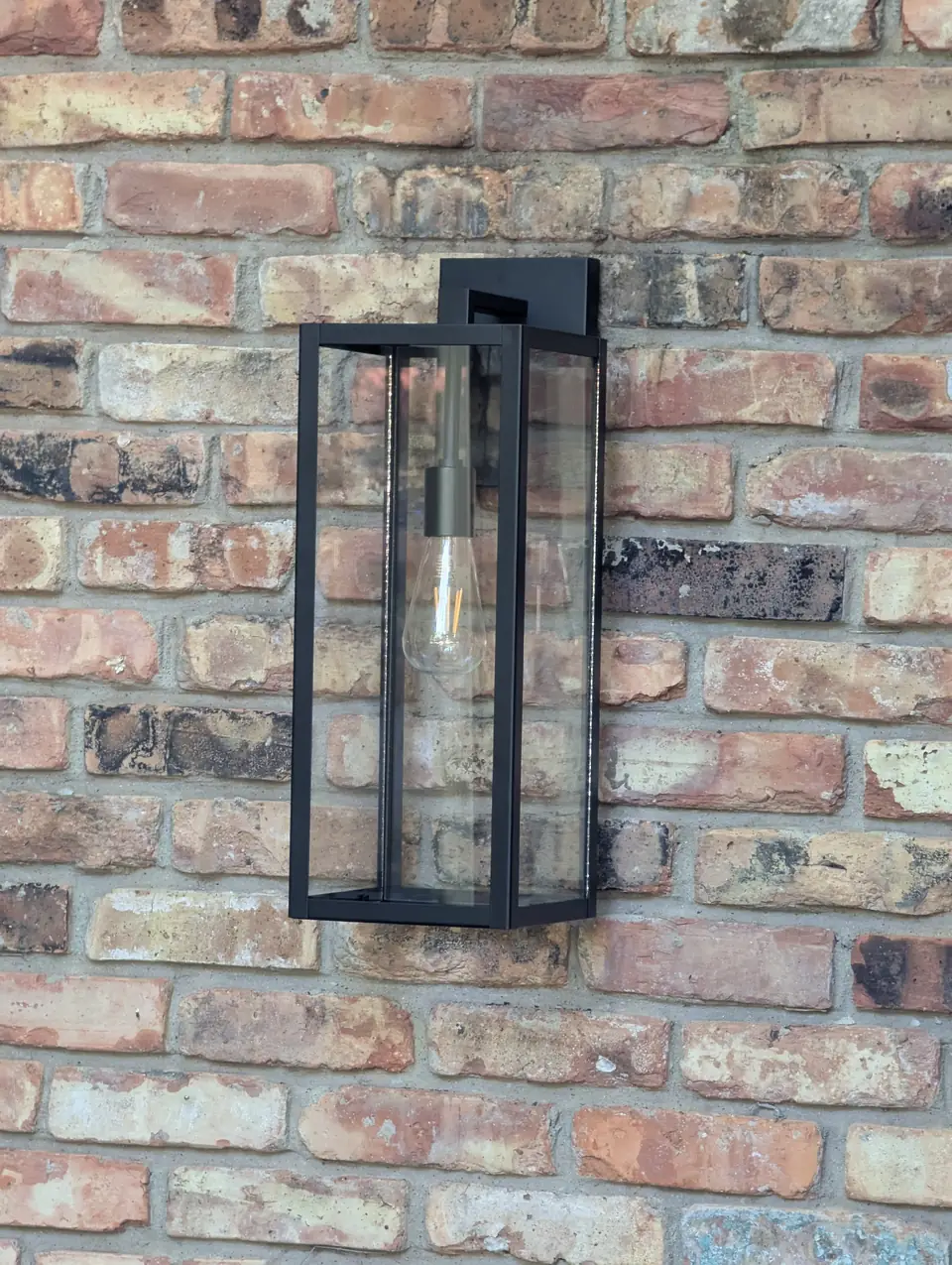
- Penetrations: hose bibs, exterior lights, dryer vents, and cable or wire entries.
- Trim joints at corners and where painted wood trim pieces meet.
- Where different materials meet, such as wood trim against brick.
Where caulk should never go
Some gaps on the outside of a house are there on purpose, to let water out. Sealing them traps moisture in the wall, where it causes rot you won’t see until it is serious.
- Weep holes in brick: the small open joints near the bottom of a brick wall and above windows and doors.
- Weep slots in window and patio door frames, usually along the bottom of the frame or the sill track.
- The bottom edge of lap siding, where each board overlaps the one below.
- The drip edge of flashing above windows and doors, which is meant to let water off.
Gaps opening around windows or doors? Tell Daniel about it
Resealing around a patio door
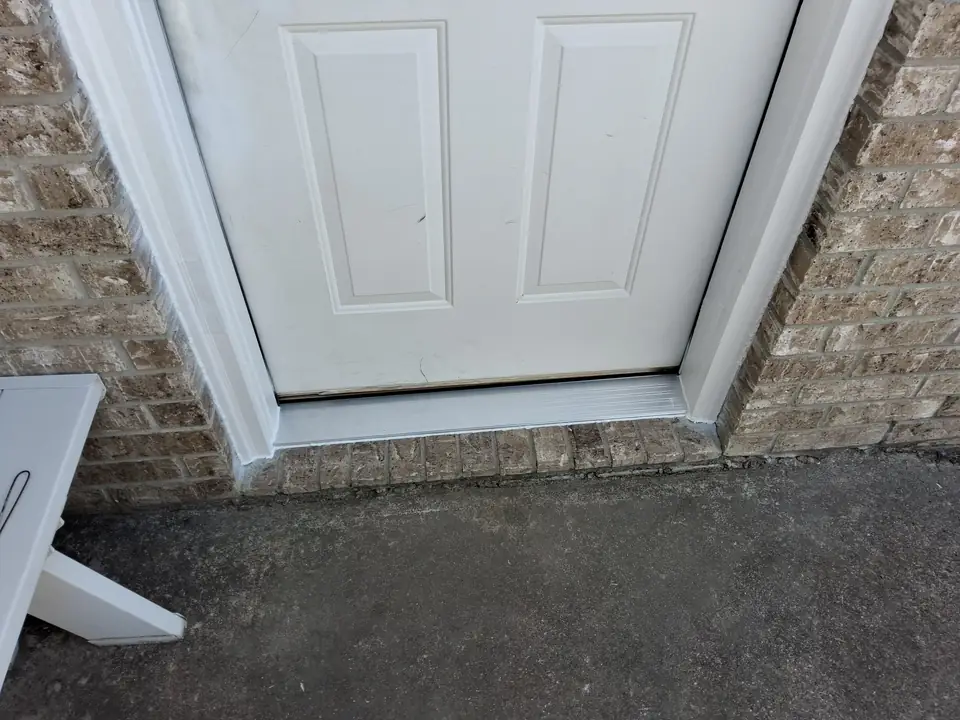
Yes, a handyman can reseal the joints around a patio door. A patio door has more joints than a window: the frame to the wall, the trim, the threshold and the sill. Caulk goes where the frame and trim meet the wall, and along the outside of the threshold where it meets the slab or step, but never over a drainage path. The sill track of a sliding door has weep slots that must stay open, so the track is cleaned out rather than sealed.
Many patio door leaks have nothing to do with caulk. Worn weatherstripping, a missing or damaged sweep, or a door that no longer closes tightly lets air and water past. Those are door repairs, covered in Why won’t my door close or latch? and on our door repair page.
If the floor inside the door is soft or stained, the leak has been going on for a while. In Daniel’s exterior lights and door sill project, the tile and damaged subfloor under a door sill had to be opened up to reach the rot. Caulk alone won’t fix that.
How a careful recaulk is done
Bathroom and kitchen caulk is a different job with different products, and the reasons old caulk has to come out are explained in when to recaulk a tub, shower or sink.
- Remove the old caulk completely, without gouging the trim, frame or brick.
- Clean and dry the joint. Dust, residue and moisture stop new caulk from bonding.
- Fill deep gaps with backer rod so the bead is the right depth.
- Choose an exterior sealant made for the materials, such as wood to brick, and paintable if the joint will be painted.
- Smooth the bead so it sheds water, and keep it off the surrounding surfaces.
- Paint once it has cured, where the joint is on painted trim.
When it is more than a caulk job
A recaulk can only seal a joint between sound materials. Press on the wood next to a failed joint. If it is soft, the rot has to be cut out and repaired before sealing, as in Daniel’s window sill rot repair and door jamb and threshold repair. How to spot wood rot around doors and windows explains what to check.
If water still comes in after a good recaulk, the cause is usually behind the surface: missing or failed flashing around the window or door, or a window whose own seals have failed. That may need a window or siding specialist, and we’ll tell you if that is where it is heading. Our siding repair page covers the exterior repairs we handle.
Want the gaps sealed before storm season or before painting? Send photos of the windows and doors through Request service, and we’ll take a look.