Key takeaways
- Cracks, gaps, peeling and mold inside the bead all mean it is time.
- Remove the old caulk completely; caulk over caulk fails.
- Caulk belongs where surfaces meet, not in flat grout joints.
- Frequent recaulking or loose tile points to a bigger problem.
In this guide
Signs it is time
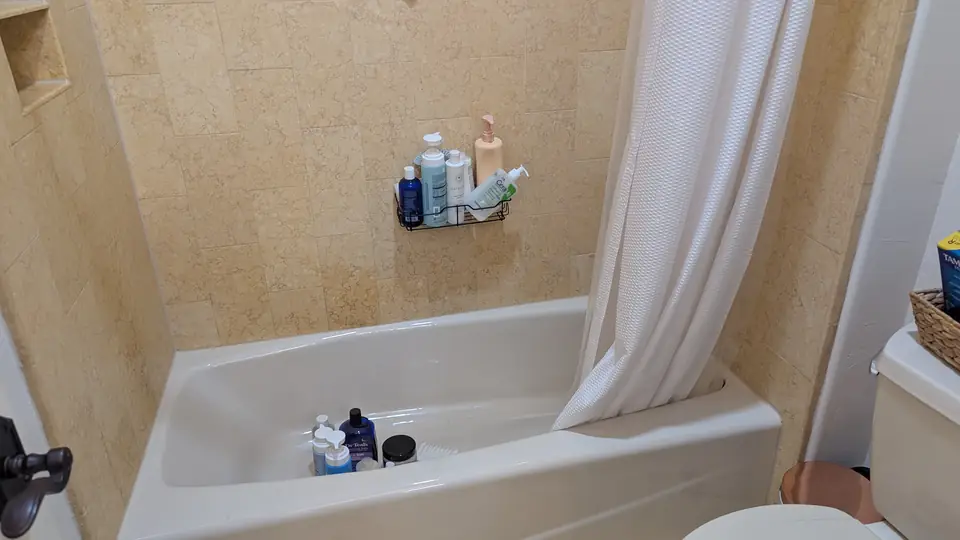
Caulk is the flexible seal at the joints where water would otherwise get behind the tub, shower or sink. Once it fails, water goes there every day, and what happens behind the wall is what turns a small job into a large one.
A quick check: run a fingertip along the bead. Good caulk feels smooth and slightly springy and is bonded along both edges. Caulk that is hard, chalky, or lifts at an edge has stopped sealing, even if it still looks white.
- Cracks or gaps along the bead, or caulk pulling away from the tub or tile.
- Peeling edges you can lift with a fingernail.
- Black or pink spots that come back right after cleaning, or sit inside the caulk.
- Water stains on the ceiling below the bathroom.
- Soft or discolored drywall or trim next to the tub or vanity.
Mold: on the caulk or in it
Mildew on the surface of caulk cleans off with a bathroom cleaner. Black spots that stay after scrubbing are growing inside the caulk or behind it, and no cleaner reaches them. That caulk needs to come out.
If the drywall or trim just outside the tub feels soft, or the room smells musty even when clean, water has likely been getting past the caulk for some time. New caulk will not fix what is already wet behind it; that area needs to be opened and checked.
To keep new caulk clean longer, run the exhaust fan during showers and for a while afterward, and wipe or squeegee standing water off the joints. A fan that barely moves air is worth checking at the same time.
Why caulk over caulk fails
New caulk does not stick well to old caulk, especially silicone, or to soap film. A fresh bead laid on top looks fine for a short while, then peels, and it traps any moisture and mold under it. The lasting repair takes longer but holds.
- Cut and scrape out all the old caulk.
- Remove the residue with a caulk remover or rubbing alcohol until the surface is clean.
- Let the joint dry completely.
- Mask both sides with painter's tape for a straight line.
- Fill a tub with water before caulking, so the joint is at its widest when the bead goes on.
- Apply a caulk rated for kitchens and baths, tool it smooth, pull the tape, and wait the full cure time on the label before using the shower.
Caulk cracked, peeling or moldy? Tell Daniel about it
Where caulk belongs
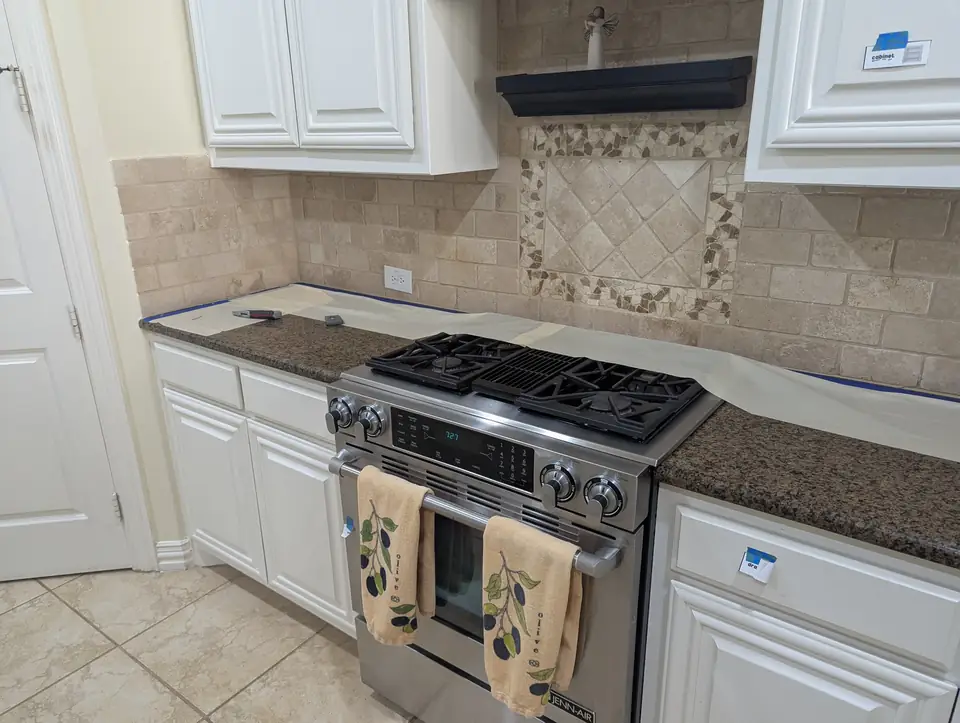
Caulk goes where two surfaces meet and can move against each other: tub to tile, the inside corners of a shower, around the shower door frame, sink to countertop, and backsplash to countertop. These joints flex as the house and the tub move, which is why grout cracks there and caulk holds.
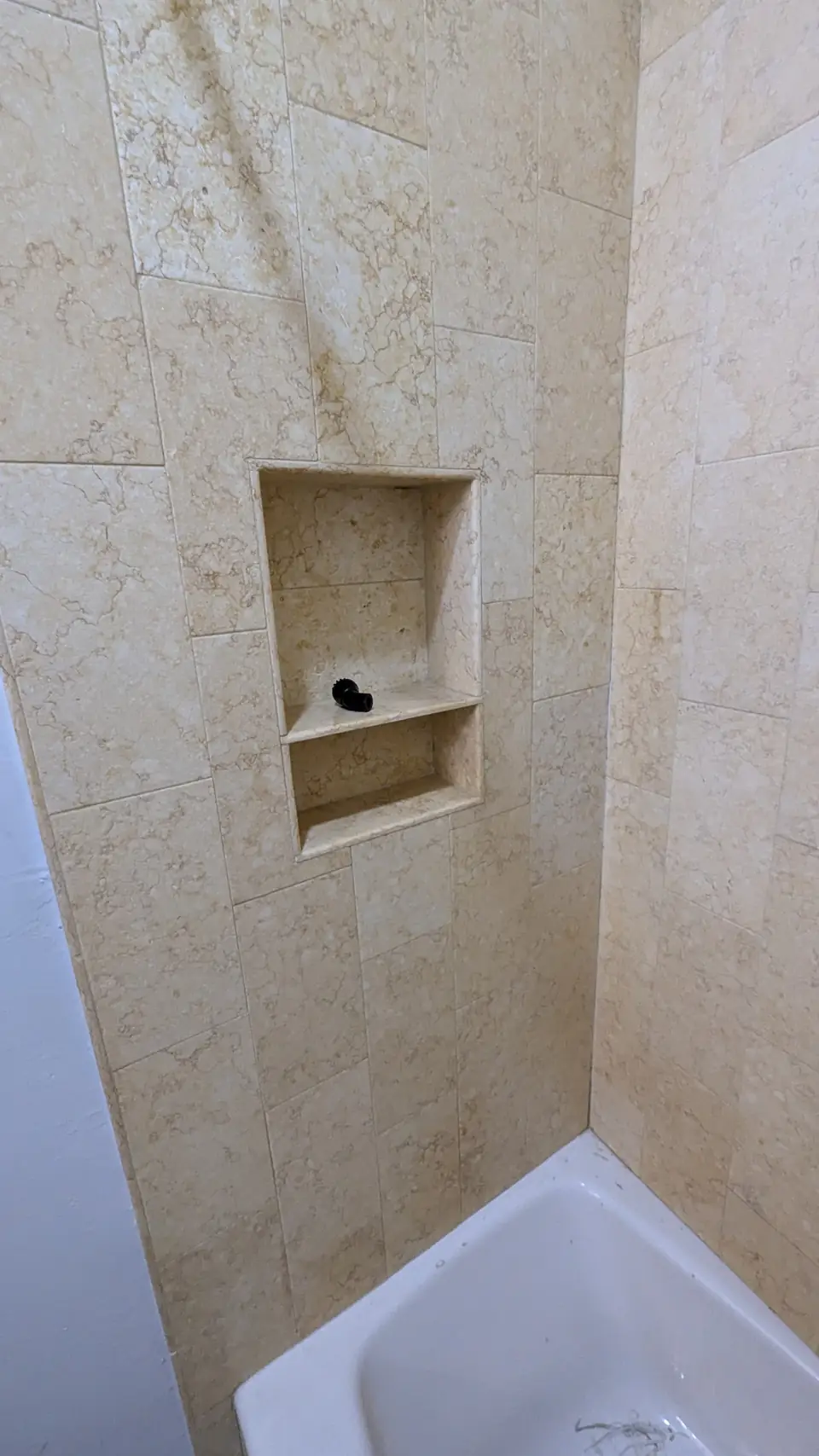
Caulk does not belong in the flat grout joints between tiles. Smearing it over cracked grout hides the problem without sealing it.
At a sink, look in two places. On top, check where the faucet base and the backsplash meet the counter. Underneath, with a flashlight, check where an undermount sink meets the countertop; failed caulk there lets water run down into the cabinet. Water stains or swollen board on the cabinet floor are the clue to look for.
When the grout or tile is the real problem
If you recaulk and the caulk fails again quickly, if grout is cracked or missing in the field of the tile, or if tiles sound hollow when tapped or move when pressed, water may already be behind the tile. The wall behind may be soft. That calls for regrouting, resetting loose tiles, or opening the area to repair the backing and waterproofing, not more caulk. Daniel's project photos include shower tile and waterproofing work and a bathtub tile surround repair.
A drip from the tub spout or valve, or a leak that seems to come from inside the wall, is a plumbing problem. A licensed plumber should fix the leak first.
Getting it done
Grout touch-ups and caulking are often done together in one visit. Send The DFW Handyman a photo of each joint, and one of any stain on the ceiling below, through request service. If grab bars are on your list for the same bathroom, mention them too.