Key takeaways
- Find the original paint first: a leftover can, the label, or a chip a paint store can match.
- Flat paint touches up well; satin, semi-gloss and gloss often show a patch.
- Peeling in a bathroom almost always means moisture: deal with it, then scrape, prime and repaint.
- After wallpaper comes off, the paste has to be washed away and the wall sealed before paint.
- Drywall patches need dry coats and primer before paint, so the two jobs sometimes take two trips.
In this guide
Why some touch-ups disappear and others show
A touch-up shows for one of four reasons: the color is slightly off, the sheen is different, the old paint has faded or yellowed, or the new paint went on with a different tool and leaves a different surface. Sheen is the most common. A small dab of satin on a satin wall can still catch the light as a shiny spot, while flat paint hides almost anything.
The fix is to use the original paint where possible, apply it the way the wall was painted (roller where it was rolled, brush on trim), and feather the edges. When a spot still flashes, the honest answer is to paint the whole wall to the corners or to a natural break, such as an outside corner or a change in color. Painting one wall is a small job, and it looks right.
Peeling paint around a bathroom window
Paint that peels around a bathroom window is almost always about water. Shower steam condenses on the cold glass and runs down onto the sill and the wall below. A weak exhaust fan, or one that isn’t run long enough, leaves moisture in the room. Caulk that has cracked where the window meets the trim lets water in behind the paint.
A lasting repair goes in order. Scrape until the remaining paint is firmly bonded, sand the edges smooth, and probe the wood. Soft, spongy wood is rot, and it needs a carpentry repair before paint; see wood rot around doors and windows. Sound surfaces get a primer suited to them, a fresh bead of caulk at the window, and a finish made for bathrooms. Then run the fan through every shower and for a while after, and check that it vents outside rather than into the attic.
Painting after wallpaper comes off
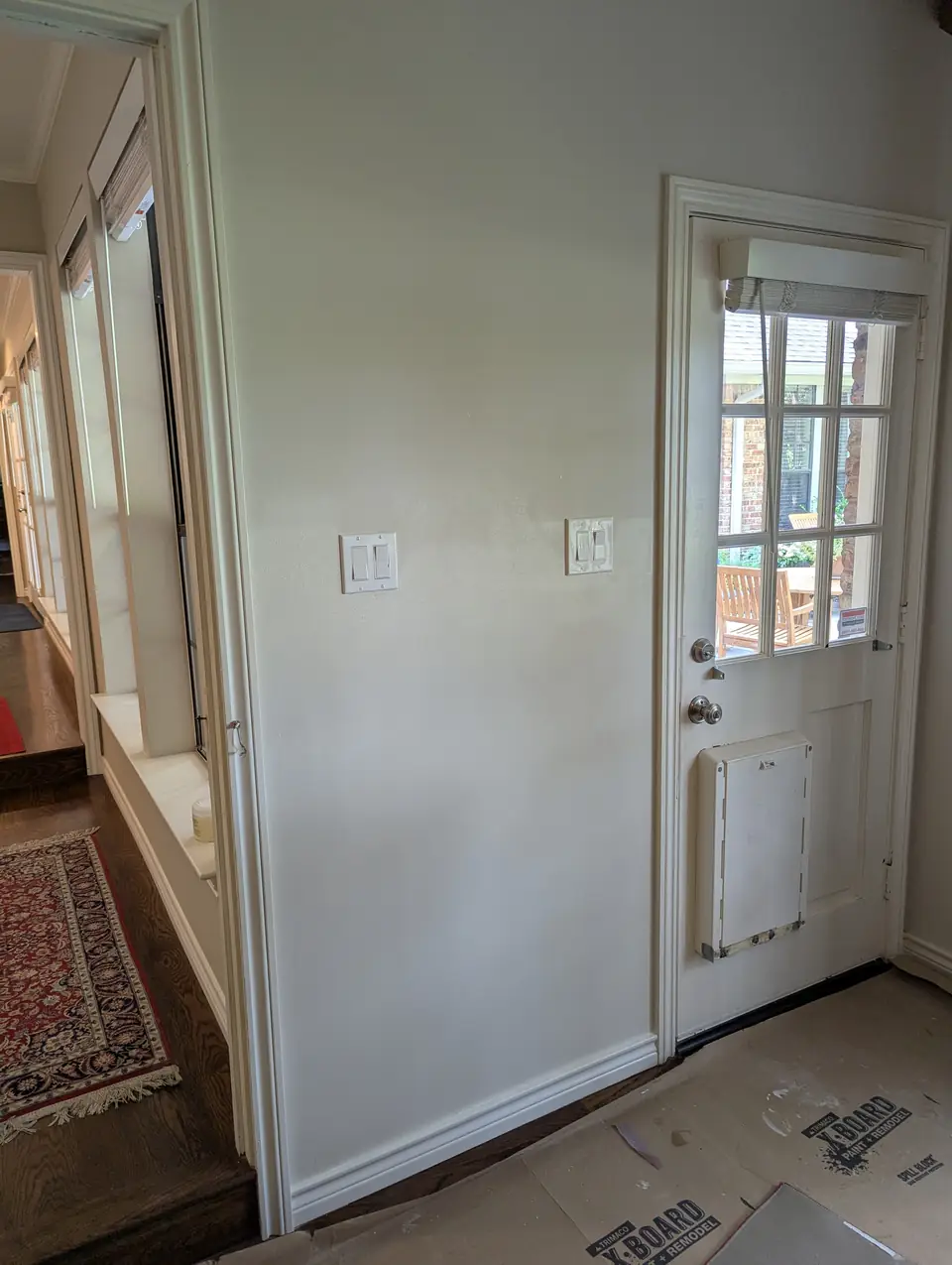
Yes, a wall almost always needs work and paint after wallpaper is removed. The paste stays behind even when the paper peels off cleanly, and paint over paste tends to crack, wrinkle or let go. Removal also often tears the paper face of the drywall underneath, leaving fuzzy brown patches.
The order that works:
- Wash the paste off until the wall no longer feels slick or tacky, then let it dry fully.
- Seal any torn drywall paper with a primer made for the job before any water-based compound touches it, or the torn paper bubbles.
- Skim-coat gouges and torn areas, sand smooth, and check the wall with a light held flat against it.
- Prime the whole wall, then paint.
Walls or trim need a touch-up? Tell Daniel about it
Drywall repair and trim painting on the same visit
Sometimes, and it depends on the patch. Small nail holes and dings can be filled, sanded, primed and painted in one visit. Larger patches need more than one coat of joint compound, and each coat has to dry before sanding and the next coat. How quickly that happens depends on the type of compound, how deep the patch is, the humidity in the room, and whether the wall has texture to match.
A practical plan is to do the drywall work first, paint trim, doors and other areas while the patches dry, and come back to paint the patched walls once they are ready. Ask how anyone you hire plans that order, so nothing gets painted before it should. For patches with texture, matching drywall texture explains what makes a repair disappear.
A touch-up before a home showing
Before photos and showings, walk the house as a buyer would, starting at the front door. Buyers notice scuffed door edges and trim, nail holes where art used to hang, patched spots that never got painted, chipped baseboards and water stains on ceilings. Most of those fit on one list and one visit.
Schedule paint work before the listing photos, not the morning of, so the paint has time to cure and any flashing spots can be fixed. Where a touch-up won’t blend, repaint the wall. A water stain gets a stain-blocking primer before paint, and the leak behind it should already be fixed; small hole in the ceiling covers that. Repairs before selling or moving helps you decide what else is worth doing.
Trim, doors and small areas
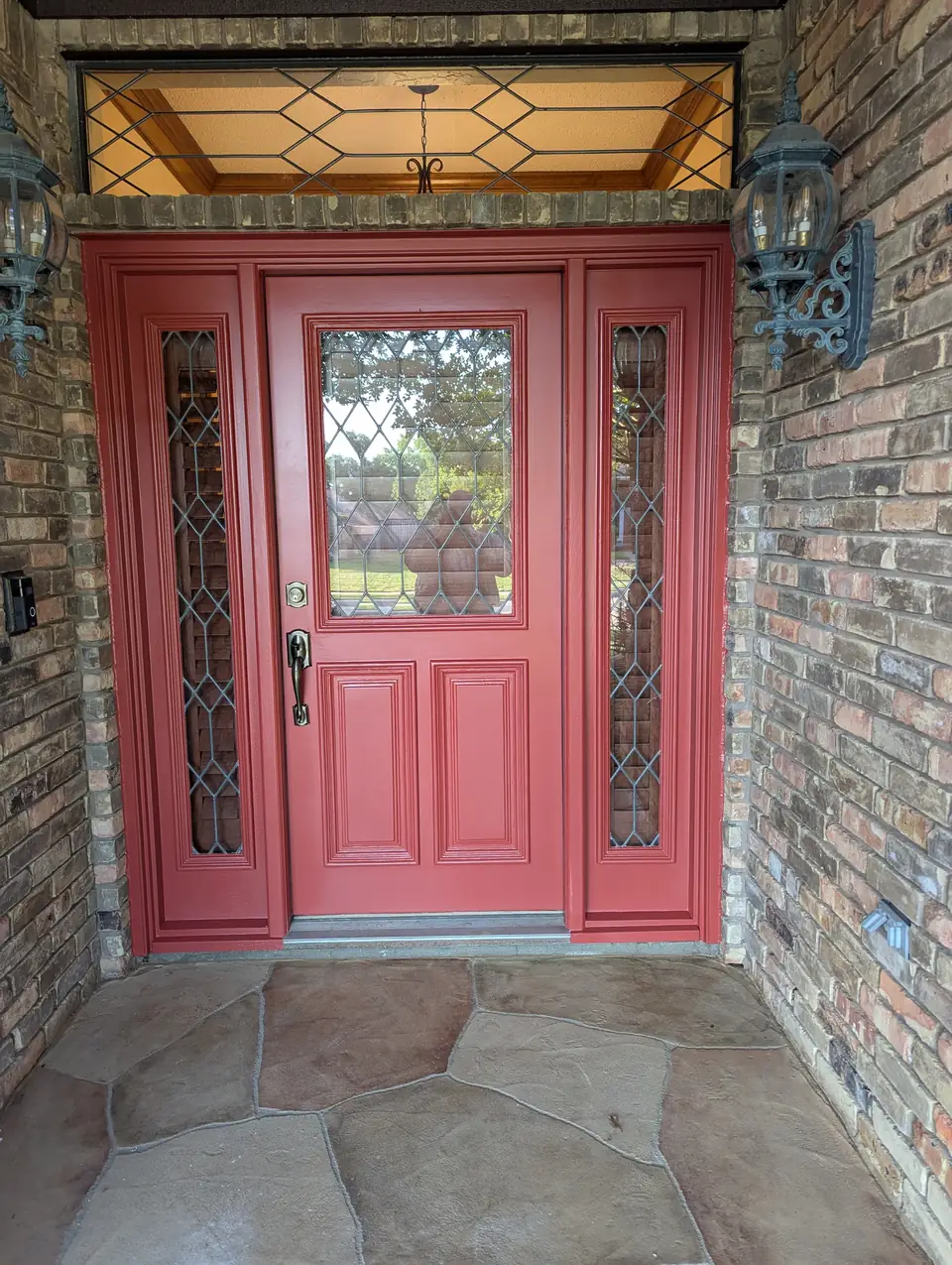
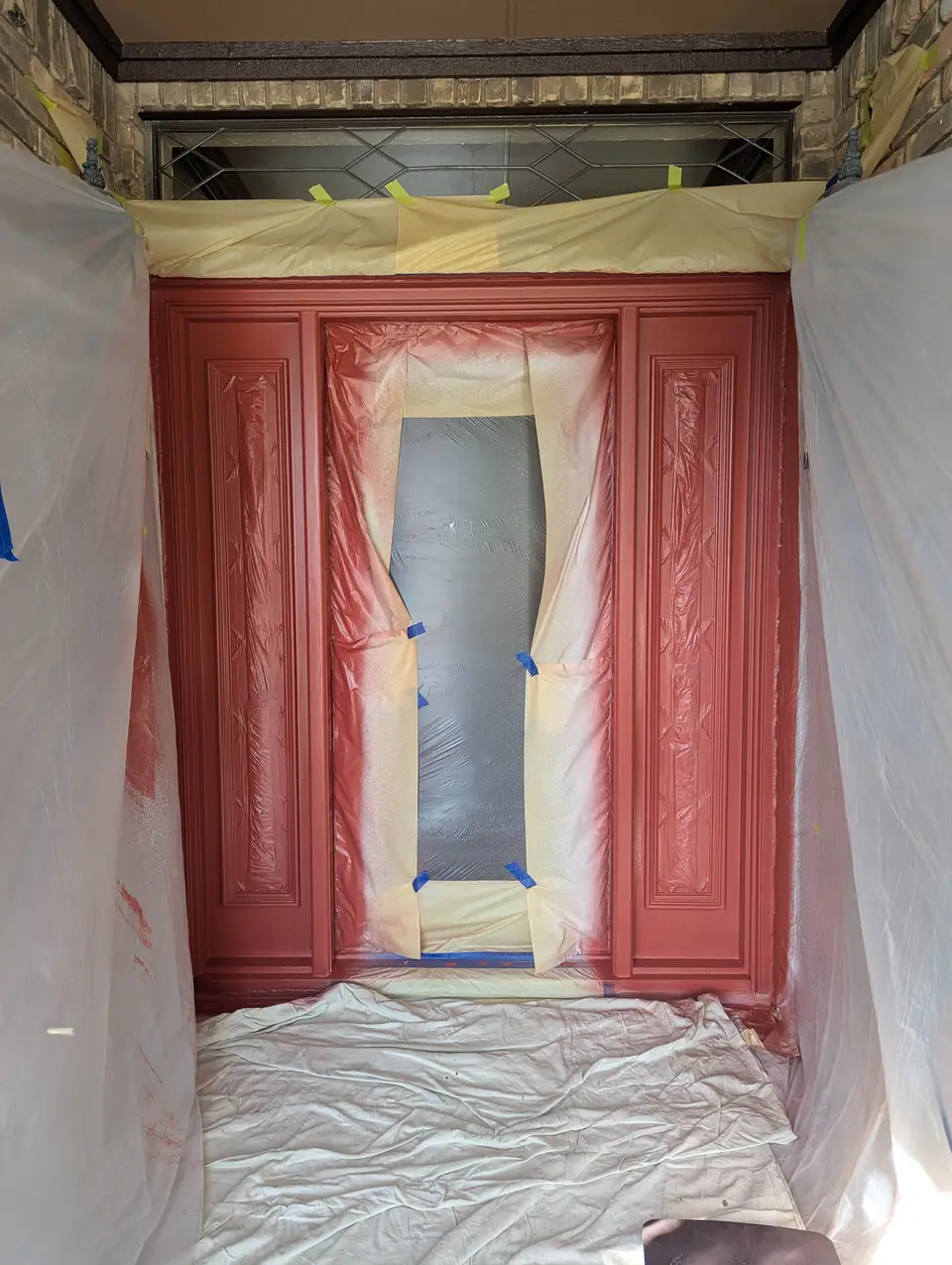
Trim, baseboards and doors are where small paint jobs pay off most, because they take the knocks. Chips get filled and sanded, open gaps between trim and wall get caulked, and the trim gets fresh paint in its original sheen, usually semi-gloss. A front door that has weathered may need a full refinish rather than a touch-up, like Daniel’s front door refinish, done with the entry masked and the floor covered.
To get started, send photos of each spot, a photo of any leftover paint can labels, and a note on what is coming up, such as a listing date or a painter booked for later. Use Request service, and see painting for the kinds of small paint work we take on.