
Key takeaways
- Decide what goes on the list with your agent first, then hand the whole list to one person.
- The items that make the list are usually small and visible: holes, scuffs, sticking doors, loose hardware, stained caulk, soft trim.
- Repairs can usually continue after the house is listed, with access and showings planned around the work.
- Before an inspection, look outside: soft wood, open caulk joints, dragging gates, loose handrails.
- Moving out leaves mounts, anchors and nail holes behind. Patching them all at once looks far better than patching them one by one.
In this guide
Start with the list, not the house
Before anyone picks up a tool, decide what is on the list. If you are selling, your agent may give you items from their walk-through, and a buyer’s inspection may add more later. If you are moving out of a home you rent, your lease may describe the condition the house should be left in. Which repairs are worth making for the sale is your agent’s area, not ours.
Once you know what you want done, write it down room by room: where the problem is, what is wrong, and what you want it to look like after. How to make a handyman punch list walks through the method, including how to handle items copied from an inspection report. Photos from you, your agent or the inspector work well as a starting point too; estimates from photos explains what they can and can’t show.
Small inside repairs that usually make the list
- Nail holes, anchor holes and dents from pictures, shelves and TV mounts, patched and sanded smooth. See drywall repair.
- Scuffed walls and trim touched up, where the original paint can still be matched. Small paint jobs and touch-ups covers when a touch-up blends and when it doesn’t.
- Doors that rub, stick or won’t latch, and knobs, hinges and stops that have worked loose.
- Cabinet doors that sag, drawers that stick, and missing or mismatched knobs.
- Cracked or stained caulk at tubs, showers and sinks. When to recaulk explains why it has to come out, not be covered over.
- Broken blinds, missing switch plates and outlet covers, loose towel bars and closet rods.
- Dead bulbs, a wobbling ceiling fan, or a dated light fixture. Fan and fixture work is electrical work, which Texas licenses, even at an existing box: ask who will do that part and whether they are licensed.
Small exterior jobs before a home inspection
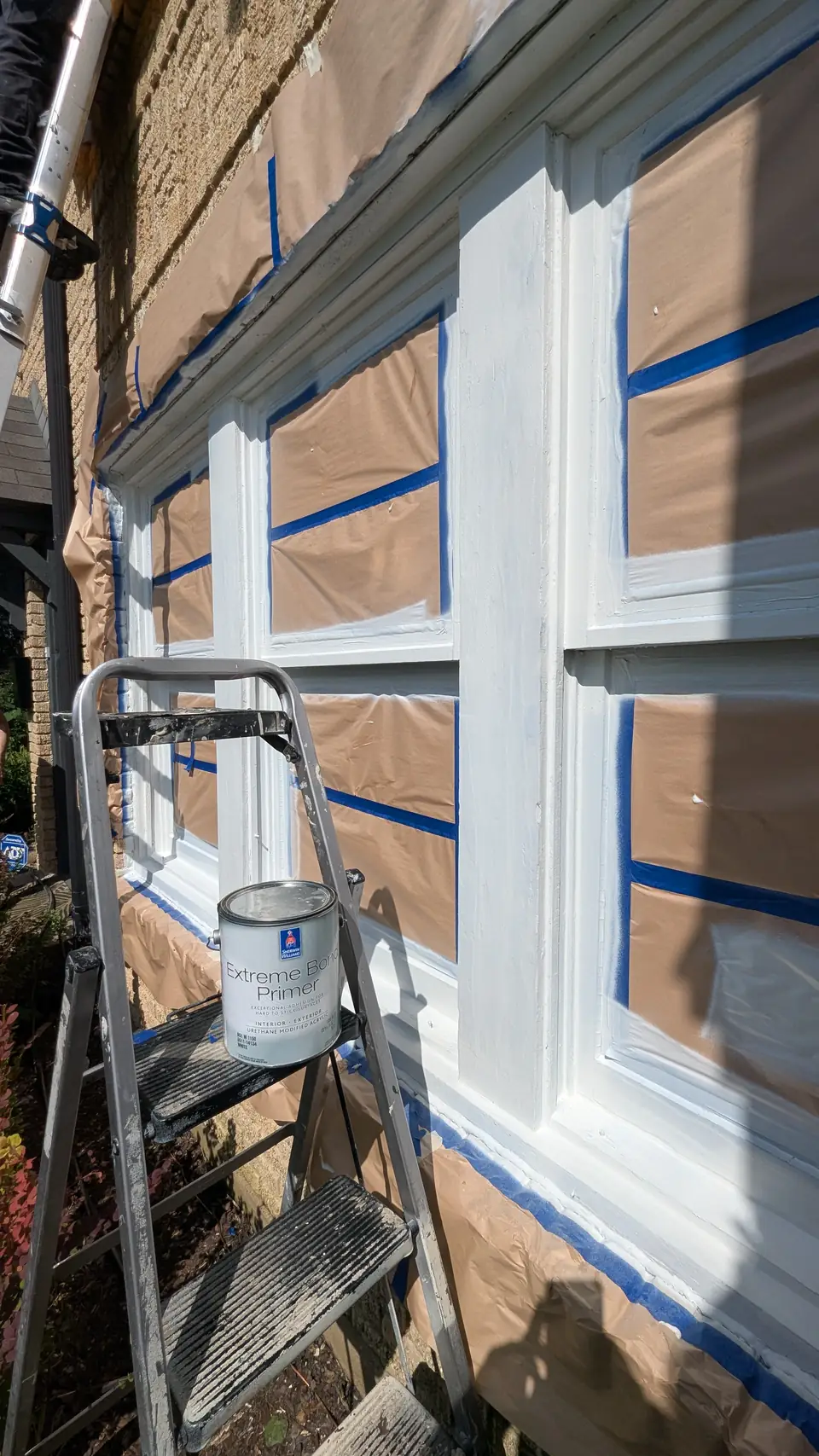
Inspectors walk the outside too, and the exterior items are often the ones an owner has stopped noticing. Most of them are handyman work:
- Soft wood at the bottom of door jambs, window sills and trim, cut out and rebuilt. Daniel’s window sill rot repair is a typical example.
- Open caulk joints around windows, doors and trim. Exterior caulking and sealing covers where it matters.
- Gates that drag or won’t latch, and loose fence boards.
- Handrails on front steps that move when you lean on them.
- Rust at the base of iron posts and railings.
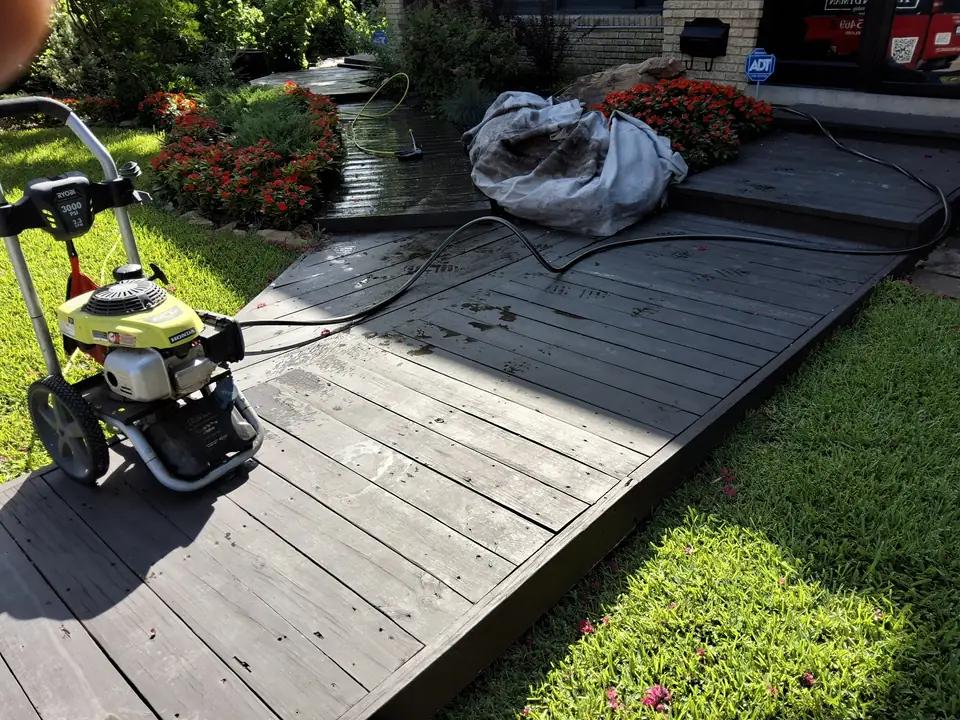
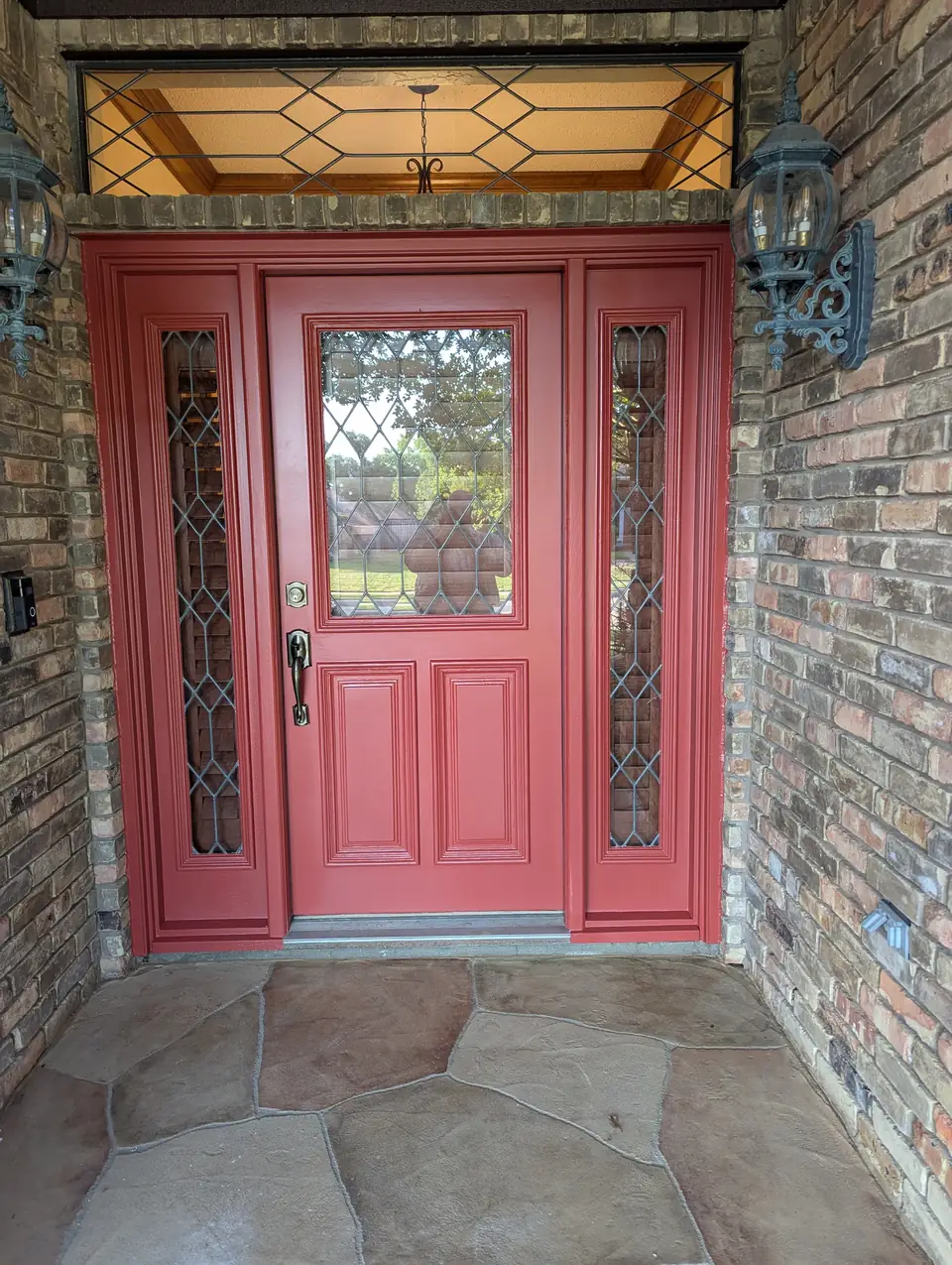
- A grimy walk or steps, like the pressure-washed walkway in our gallery, and a weathered front door finish, like this front door refinish.
Getting the house ready to sell or move? Tell Daniel about it
Can repairs happen while the house is listed?
Usually, yes. What changes once the sign goes up is coordination: who lets the handyman in, when showings are booked, and leaving the house ready to show at the end of each work session.
Plan the dusty and wet work first. Drywall patches, sanding and paint need to be finished and dry before listing photos and early showings, so they belong at the top of the schedule. Quiet items like hardware, caulk and hanging art can fit between showings.
When you send the list, say how access works, which times are set aside for showings, and whether anyone is living in the house. The work area is protected and cleaned up the same way as on any other visit; preparing for a handyman visit describes what that looks like.
Moving out: what gets left behind
Taking down TVs, shelves, art and curtain rods leaves holes, plastic anchors and sometimes torn drywall paper. Removing every mount first and then patching and touching up all of them in one pass gives a much more even result than fixing them one at a time as the boxes go out.
Before anything comes down, check what is supposed to stay. A buyer may expect the TV bracket or the curtain rods to remain, and a lease may require everything to be removed. The same goes for furniture anchors, baby gates and smart devices you plan to take with you: put the original hardware back and patch the holes they leave.
Moving in: repairs before the boxes arrive
If you are buying, the easiest time for repairs is before the furniture comes. Walls are clear, floors are open and there is nothing to move or cover. Paint, light fixtures, ceiling fans and anything that makes dust are best done in an empty house; art, mirrors and anchors for tall furniture come after the furniture is placed.
When work can start depends on when you have the keys and access to the house. The move-in handyman checklist sorts the usual list into before-furniture and after-furniture work.
One person for the whole list
Pre-sale and move-out lists are long and mixed: a little carpentry, some drywall, doors, hardware, caulk, exterior trim, maybe an iron railing. That mix is exactly what a handyman does, and having one person work through it means one schedule and one standard of finish.
Electrical and plumbing items are different, because Texas licenses those trades, including replacing a light fixture, a faucet or a toilet. If your list has one, ask who will do it and whether they are licensed; we’ll tell you how we handle it on your job. New circuits, panel work, gas, new plumbing lines, roof replacement and anything structural go to the right licensed pro, and we’ll tell you up front and help you find one.
Send your list, or the marked-up pages from your agent or inspector, through Request service. Note any date it has to fit, such as listing photos, an inspection or a move-out walk-through.