
Key takeaways
- Walk the empty house as the next tenant will, with the move-in photos from the last lease in hand.
- Keep one paint color and sheen on file for the whole rental, so touch-ups blend every time.
- Many owners change or rekey exterior locks at every turnover; ask your property manager what your lease and local rules require.
- Check safety items every time: handrails, gate latches, window locks, smoke and carbon monoxide alarms.
- Electrical, plumbing and other work that needs a licensed trade goes to a licensed pro.
In this guide
Walk the house as the next tenant will
An empty house shows everything: every nail hole, every scuff on the trim, every door that doesn’t latch. Walk it room by room with the move-in photos from the last lease, open every door and cabinet, run every faucet and flip every switch. Write down each item with where it is and what you want done.
Take dated photos of the house before and after the work. They are useful for your records and for the next move-in walk-through. How to make a handyman punch list shows how to write the list so someone else can work through it without you standing there.
Walls, paint and the marks a lease leaves
Most make-ready lists start with the walls: holes from TV mounts, shelves and pictures, dents behind doors, scuffs along hallways. Patch them all, then touch up. Drywall repair covers the patching; on a textured wall, the texture has to be matched too, as described in matching drywall texture.
Keep the paint brand, color name and sheen for every room on file, and keep a labeled can at the property if you can. That one habit turns every future turnover into a touch-up instead of a repaint. A washable finish in hallways and kids’ rooms makes scuffs easier to clean between tenants. Small paint jobs and touch-ups explains when a touch-up will blend.
Doors, locks and hardware
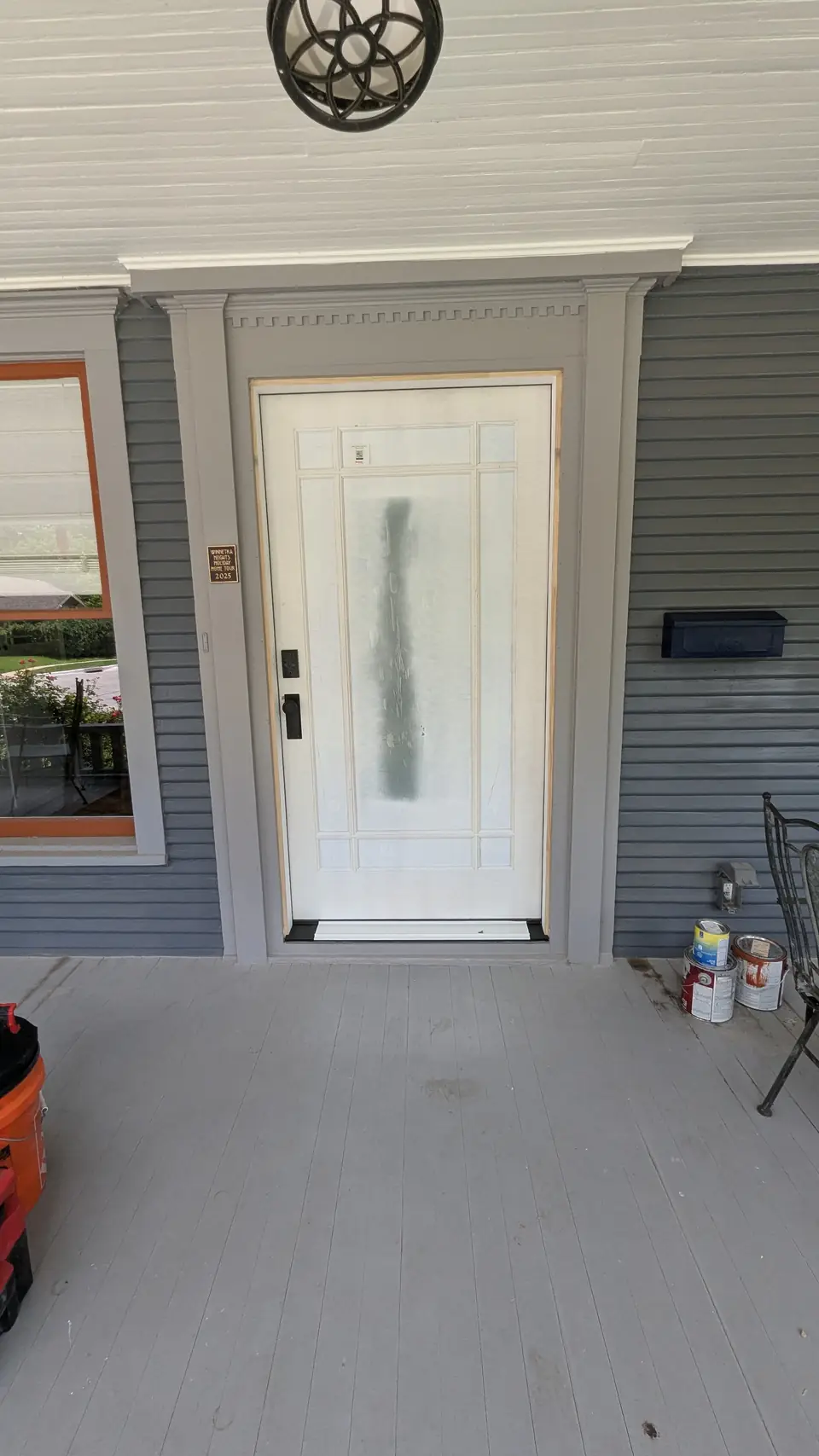
- Exterior locks changed or rekeyed. Many owners do this at every turnover; ask your property manager what your lease and local rules require. A new lockset should latch and lock cleanly, like this front door lock and knob install.
- Doors that rub, stick or won’t latch, and missing doorstops. Why won’t my door close or latch? covers the usual causes.
- Closet doors off their tracks, loose knobs, and cabinet doors that sag.
- Broken blind slats or cords, missing switch plates and outlet covers.
Turning over a rental? Tell Daniel about it
Kitchen and bathrooms
Cracked or mildewed caulk at tubs, showers and sinks lets water into places it shouldn’t go; it should be cut out and redone rather than covered over, as when to recaulk explains. Loose towel bars, toilet paper holders and grab bars get fastened back into something solid.
A running toilet or a dripping faucet is usually a small repair, but in Texas it is still plumbing, a licensed trade: ask who will do it and whether they are licensed, and we’ll tell you how we handle it on your job. A leak inside a wall, a new supply or drain line, or anything involving gas goes to a licensed plumber; we’ll say so up front and help you find one. Cracked grout and loose tiles are covered in tile and grout repair.
Safety items to check at every turnover
- Handrails and stair rails that move under your hand. See stair and handrail repair.
- Gate latches that catch every time, and fence boards that are secure.
- Window locks that close, and window coverings with no looped cords hanging within a child’s reach.
- Smoke and carbon monoxide alarms tested, with their dates noted.
- Trip hazards: lifted thresholds, loose deck boards, uneven walkway boards.
- Dead outlets, tripping breakers or flickering lights: these go to a licensed electrician.
Outside the house
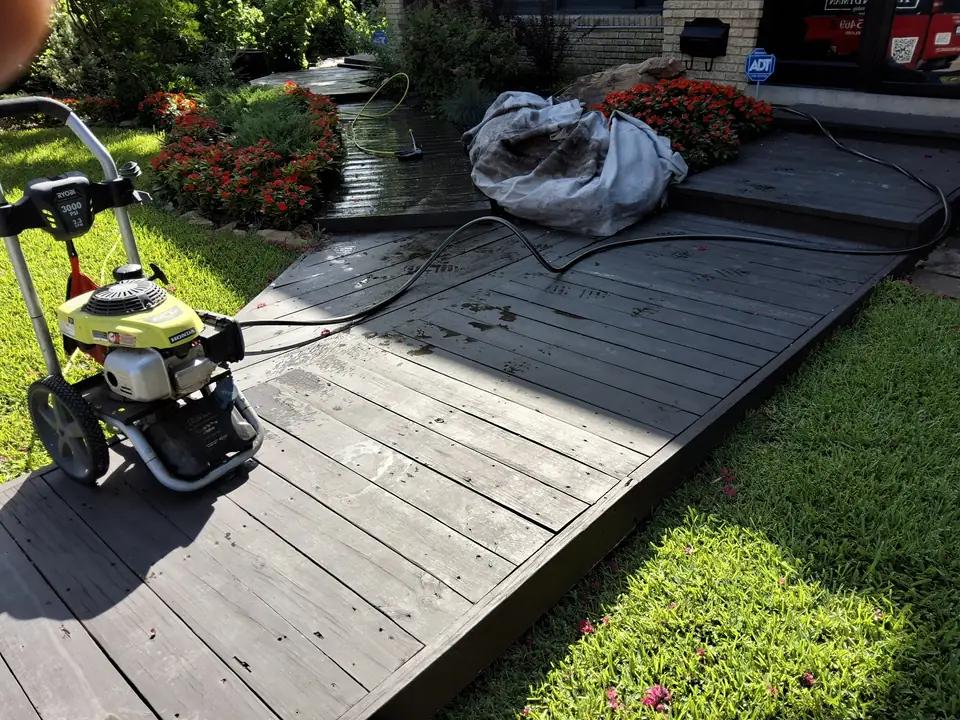
Look at the gate, the fence, the bottom of door frames and the window sills. Gates that drag and soft trim are typical make-ready items; why wood fence gates sag and wood rot around doors and windows cover both. A clean walk and front steps make a difference the moment a new tenant arrives, as the pressure-washed walkway in our gallery shows.
Rental homes in Plano and nearby
Plano is one of the cities we serve; see our Plano handyman page for the rest of the area. If the house is vacant, the practical questions are how access works, who can answer if something unexpected turns up behind a wall, and how you want to see the finished work if you can’t be there.
Send the list, a few photos and the date the house needs to be ready through Request service. You’ll get a straight answer about what fits and what, if anything, needs a licensed trade.