Key takeaways
- Assembly is careful work: read the instructions through, sort the hardware, and build in the room where the piece will stand.
- Tall pieces need ceiling clearance to be tipped upright after they are built on their side.
- Every dresser, bookcase and wardrobe should be anchored into a stud or with hardware suited to the wall.
- Send a list of pieces with model names or box photos, and you can find out what one visit can cover.
- Heavy tabletops and large wardrobes may need two people to move and lift safely.
In this guide
What furniture assembly actually involves
The time goes into the parts nobody sees: reading the instructions all the way through first, counting and sorting hardware, catching a panel that was drilled wrong at the factory before it is built in, and tightening everything evenly so doors and drawers line up.
Large pieces are best built in the room where they will stand. A finished wardrobe may not fit through a bedroom door or up a staircase, and moving a built piece puts stress on joints that were never meant to carry it sideways.
Flat-pack wardrobes and tall storage
Big flat-pack wardrobe systems are some of the most common assembly jobs. They are built lying down and then tipped upright, which means the room needs enough height for the diagonal of the piece, not just its standing height. Measure your ceiling against the wardrobe’s height and depth before the boxes are opened.
Once it is standing, the work is in the adjustment: leveling it on a floor that is rarely flat, setting the doors so the gaps are even, and adjusting hinges and drawer runners until everything closes cleanly. Then it gets anchored. These kits almost always come with a wall restraint, and it is there for a reason.
Dining tables, beds and heavy sets
A large dining table usually means a heavy top, separate legs or a pedestal, and sometimes leaves that need to align with the top so the seams sit flush. Chairs in a set should all be tightened to the same standard, so none of them wobble, and felt pads protect the floor. Beds, headboards and bunk beds need firm, square joints; a tall headboard or a bunk bed may also need to be fastened to the wall.
Heavy tops and large cabinets can take two people to lift and position safely. Mention the weight and size of the largest pieces when you send the list, so the visit is planned around them.
Furniture to assemble or anchor? Tell Daniel about it
Several pieces in one visit
Grouping assembly into one visit makes sense: the tools are out, the work area is set up once, and packaging is dealt with together. To find out what one visit can realistically cover, send:
- A list of the pieces, with the model name or a photo of each box label.
- Which room each piece goes in, and where in the room.
- Whether any piece is already partly built, or came with missing or damaged parts.
- Which pieces need anchoring, and what the walls are: drywall, plaster or brick.
- Anything else you would like done while the handyman is there, such as hanging art or a mirror above the new dresser.
Why tall furniture needs anchoring
Tall furniture tips when its weight moves forward: several drawers pulled open at once, a child climbing the drawers like stairs, a heavy TV set on top. An anchor ties the top of the piece back to the wall so it can’t rotate forward.
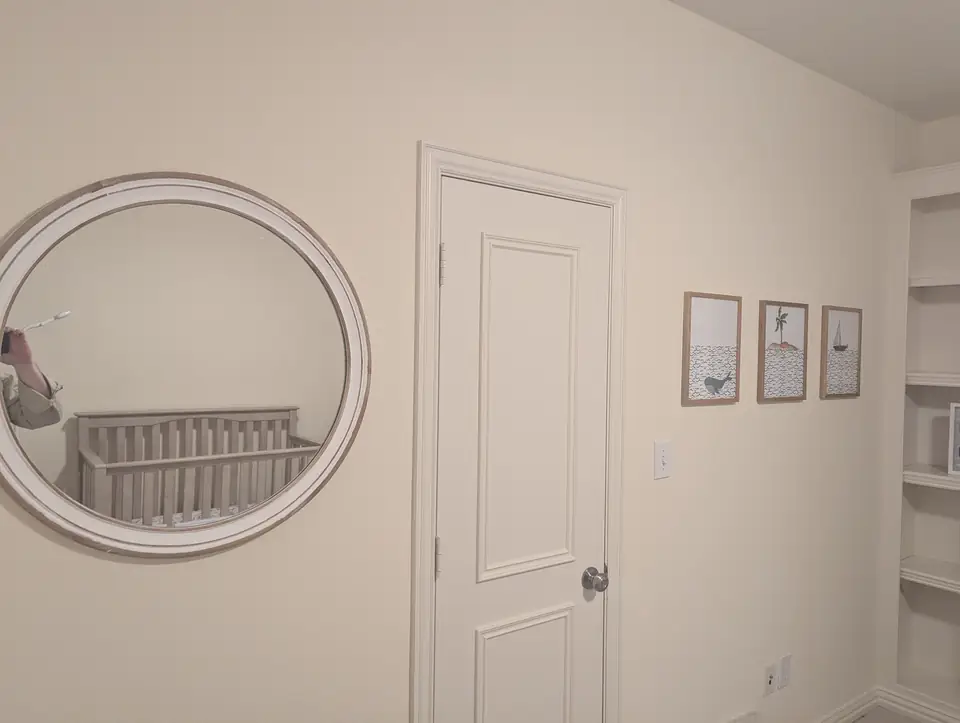
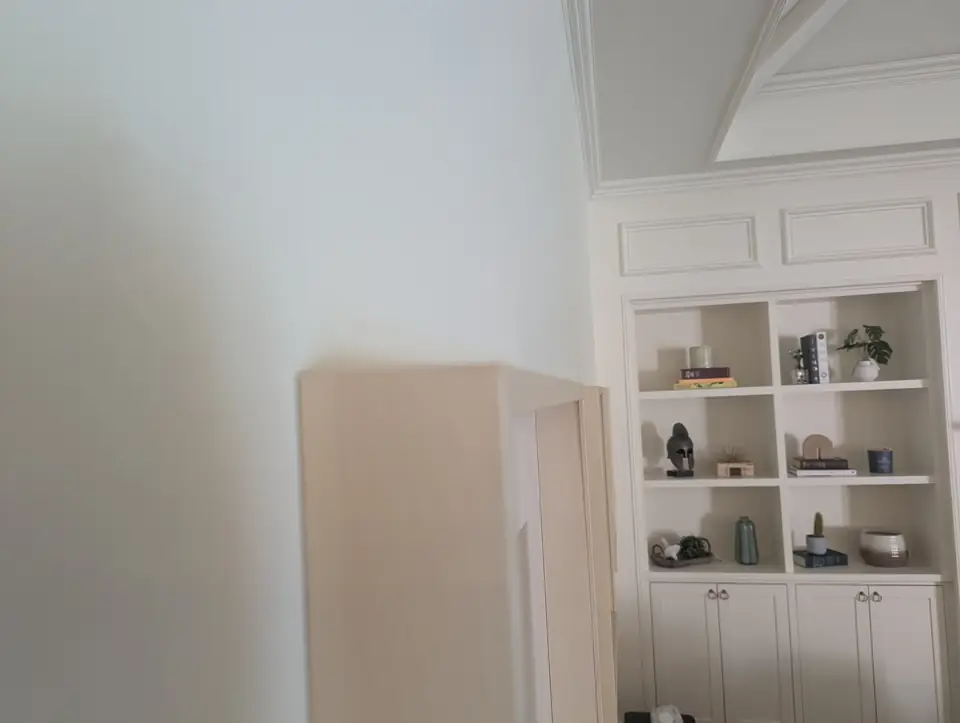
The anchor is only as good as what it is fastened to. The strongest connection is a screw into a wall stud. Metal brackets or braided cable anchors hold better than the thin plastic straps some kits include. Daniel’s furniture anti-tip anchoring project shows metal anchors fastened between each tall piece and the wall in a nursery and a family room.
Baseboards push furniture away from the wall at the bottom, so a tall piece can end up leaning forward slightly. A spacer behind the top, or a small shim at the front feet, keeps it plumb before the anchor goes on.
Walls that need different hardware
When there is no stud where the anchor needs to go, a heavy-duty hollow-wall anchor rated for the load is the next choice. Brick and stone take masonry anchors drilled into the brick itself. Old plaster cracks easily and needs a careful pilot hole; hanging heavy art and mirrors covers how each wall type is handled.
If a TV is going on top of a dresser or console, consider mounting it on the wall instead; mounting a TV on drywall, brick or stone explains the options. In a home with small children, anchoring is one part of a larger list covered in babyproofing a home.
Getting it done
If you are moving in, assembly and anchoring fit naturally into the after-furniture half of the move-in handyman checklist. Send your list of pieces, with box photos and the room for each, through Request service, and you’ll hear what one visit can cover.